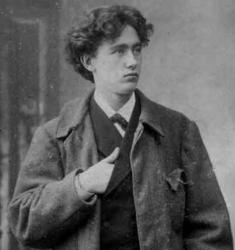
Erich Kleiber
 Austria
- Erich Kleiber: Iconic Austrian Conductor
- Early Life and Influences
- Musical Beginnings
- Ascendancy in Germany
- International Acclaim
- Post-War Career
- Legacy and Influence
Erich Kleiber: Iconic Austrian Conductor
Erich Kleiber, an Austrian maestro, left an enduring legacy in the world of classical music.
Early Life and Influences
Kleiber was born in Vienna in 1890, where he initially pursued violin studies. His musical horizons expanded under the tutelage of Gustav Mahler at the Vienna Court Opera. In 1908, he embarked on a journey to Prague, immersing himself in philosophy, art history, and music at the University and Conservatory.
Musical Beginnings
Kleiber's talent for composition emerged early on, earning him an award for a symphonic poem in 1911. He debuted as a conductor in the same year as Chorus Master at the German Theater in Prague. Soon after, he took the helm as Opera Director in Darmstadt.
Ascendancy in Germany
Kleiber's reputation soared in Germany. In 1923, his triumphant debut at the Berlin State Opera with Beethoven's "Fidelio" led to his appointment as its Music Director within days. During his tenure, he championed contemporary operas, including Janáček's "Jenůfa" and Berg's "Wozzeck."
International Acclaim
Kleiber's fame extended beyond German borders. He embarked on international tours, captivated audiences in the Soviet Union, New York, and London. However, the rise of Nazism forced him to leave Berlin, seeking refuge in Latin America.
Post-War Career
After the war, Kleiber returned to Europe, collaborating with the London Philharmonic Orchestra and the Royal Opera House at Covent Garden. In 1951, he staged Verdi's "I Vespri Siciliani" in Florence, featuring Maria Callas. He also returned to Berlin, conducting Strauss's "Der Rosenkavalier" amid the city's post-war divisions.
Legacy and Influence
Erich Kleiber is renowned as a pioneer of modern opera while also excelling in the classical repertoire. His recordings, including Beethoven's symphonies and operas such as "Le Nozze di Figaro" and "Der Rosenkavalier," showcase his orchestra's rhythmic precision and dynamic versatility. Kleiber's legacy as an influential conductor continues to inspire and captivate music lovers worldwide.