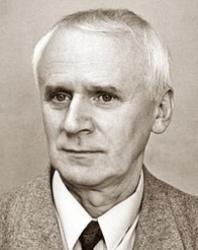
Ernst Kunwald
 Austria
- Early Life and Education
- Professional Career in Europe and the United States
- Internship and Controversies
- Return to Germany and Musical Legacy
- Contributions to Music:
- Advocate for the American premiere of significant orchestral works
Early Life and Education
Gustav Kunwald was an Austrian conductor born in the late 19th century. He received his formal education at the Vienna Schottengymnasium, a prestigious secondary school under the auspices of a Scottish monastery.
Professional Career in Europe and the United States
After graduating, Kunwald began his musical career as a Kapellmeister (music director) in Frankfurt, Germany. In 1907, he was appointed as the second conductor of the renowned Berlin Philharmonic Orchestra, a position he held until 1912.
In 1912, Kunwald crossed the Atlantic and became the principal conductor of the Cincinnati Symphony Orchestra in the United States. During his tenure, he made significant contributions to American music by conducting the American premieres of Gustav Mahler's Third Symphony and Richard Strauss's "Alpine Symphony."
Internship and Controversies
In 1918, Kunwald faced adversity when he was interned as a citizen of Austria during World War I. The incident stemmed from his alleged remark that his heart was "on the other side" while conducting the American national anthem.
Return to Germany and Musical Legacy
Following his release, Kunwald returned to Germany and held positions in Königsberg and Berlin. In addition to his conducting career, he also authored several articles on music, including "The Art of Conducting."
Contributions to Music:
Known for his interpretations of Mahler and StraussEmphasized the importance of "pure, noble, humane, and sincere" music-making