Eugenia Amalia Vittelsbahskaya (Elizabeth I)
 Austria
Biography of Elisabeth I, Duchess of Bavaria (Empress of Austria)
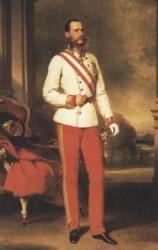
Two years before the beginning of the 20th century, Europe was shaken by an unprecedented crime committed in its quietest and most peaceful corner. The blade of a file ruthlessly pierced the heart of a woman who was calmly walking along the shore of Lake Geneva on a September morning in 1898. It is unknown whose evil will guided the hand of the murderer, but by a strange twist of fate, his victim was the most beautiful woman in Europe, Elisabeth I, Empress of Austria. It is well known that dynastic marriages of noble figures were usually arranged for reasons of state, with no consideration for personal feelings. The marriage of the young Austrian Emperor Franz Joseph I was an exception to this rule, although initially his official betrothed was someone else entirely. He intended to marry Elisabeth's younger sister. "Either her or no one!" he categorically declared to his mother. It was the first time that Archduchess Sophia had to realize that her power over her son was not absolute. There was nothing she could do. The Austrian throne desperately needed a strong family alliance, and most importantly, heirs. Did Sophia like his choice? The main argument against it was Elisabeth's age of 15. Another, less significant but equally alarming, was her love for horses and the fact that she spent too much time in the stables, writing poetry, and being too direct. However, on the other hand, Sophia understood that anything necessary could be molded from such soft clay. And this thought comforted her.
The Wittelsbach dynasty had ruled Bavaria (now part of Germany) for over seven centuries. In 1828, the Bavarian Duke Maximilian entered into a lawful marriage, which, although devoid of any deep feelings, resulted in numerous offspring. In 1834, their first daughter Helena was born, and three years later, on Christmas, their second daughter, named Elisabeth, was born. This little girl, who became God's Christmas gift, was born on a Sunday, which, according to tradition, was a sign of a happy destiny. Moreover, a tiny tooth was found in her mouth. According to legend, the same thing happened with the newborn Napoleon Bonaparte, so there was more than enough reason to believe that something special awaited the princess in her life.
The eight children of the ducal family grew up not in the traditions of other ruling houses. Their father, Duke Max (as he was known to his close circle), a cheerful and sociable man, loved to take his family to their estate in Possenhofen for the entire summer. The estate was located on a picturesque lake surrounded by wooded hills. It was a completely different world for the children. Elisabeth considered this wonderful place her homeland. She would easily enter peasants' houses, where she was well known and loved, fearlessly handle any animals, and even convinced her father to set up a small zoo next to their house. Once, her father showed Elisabeth how to draw, and soon it was no longer surprising if the princess went far into the meadows to paint flowers and clouds floating above her little paradise. Elisabeth was remarkably sensitive and very affectionate, making her the favorite of everyone around her, no matter who they were. All of this was wonderful, but her mother, Duchess Ludovika, looked at her 12-year-old daughter and thought about how difficult it would be to marry this girl, as she was not a beauty. Her round face resembled the faces of the daughters of a woodcutter or a baker. But these domestic problems paled in comparison to those that had befallen Ludovika's sister, Austrian Archduchess Sophia.
In December 1848, Sophia used all means, fair and unfair, to persuade her husband, Archduke Franz Karl, to renounce his rights to the Austrian throne in favor of their son Franz Joseph. She had prepared their heir well for the role of the sovereign. Although initially it was Sophia who remained the de facto ruler of the empire, she constantly instilled in her son the belief that the main purpose of a monarch is to preserve the greatness and unity of the state. In the same year, 18-year-old Franz Joseph became Emperor. Soon, he had to go through a difficult test. An uprising broke out in Hungary, humiliated by vassal dependence on Austria. The main slogan of the uprising was the demand for complete freedom. But Sophia had no intention of compromising with the contemptible Hungarians. The audacious attempt at rebellion was crushed in blood. When this unfortunate misunderstanding was somewhat forgotten, Sophia decided that it was time for the young emperor to get married. For her Bavarian sister Ludovika, this circumstance was not surprising. Her eldest daughter Helena was a suitable match, intelligent and composed, although her beautiful face had somewhat harsh and energetic features for a 20-year-old girl. But perhaps for a future empress, it was exactly what was needed.
And so, on August 15, 1853, burning with impatience to see his promised beautiful bride, Franz Joseph rushed to the small town of Ischl, where Duchess Ludovika was supposed to arrive with her eldest daughter Helena. He did not yet know that Ludovika had taken the youngest daughter Elisabeth with her on this trip. She was 16 years old at the time, the age when Nature performs wondrous metamorphoses with girls. In any case, Ludovika listened with undisguised surprise to the praises of Elisabeth. Franz Joseph had not even seen his betrothed yet, but everyone in Ischl was talking about Elisabeth. At dinner that day, she sat opposite Franz Joseph, who could not take his eyes off her. Helena sat next to him, listlessly playing with her food. At the first ball, contrary to all rules of etiquette, Franz Joseph, forgetting about his betrothed, invited Elisabeth to dance twice in a row, which was practically equivalent to a marriage proposal.
Elisabeth felt like a chip in a flood going towards the wedding. She felt like a participant in a fairy tale, and not real events. Undoubtedly, the young handsome emperor could not leave her indifferent. It was starting to resemble the love she had been writing poems about since the age of 10. The impending storm of the wedding, more magnificent than anything seen in Vienna before, overwhelmed her. And on the day of the coronation, she wore a luxurious dress, her magnificent hair adorned with a diadem given to her by her mother-in-law. Trembling with anticipation of the upcoming ceremony, Elisabeth, as she stepped out of the carriage, caught her dress on the door and the diadem almost fell from her head. "Be patient," the groom whispered. "We will quickly forget this nightmare." But only he managed to forget it. Immediately after the wedding, he immersed himself in work, while Elisabeth had a much harder time.
From the first days of her reign, she felt trapped. But there was no chance to change her life; being an empress was forever, and she knew it.
I awoke in a dungeon,
With shackles on my hands.
A feeling of melancholy has overwhelmed me —
And you, freedom, have turned away from me!
She wrote this poem two weeks after the wedding. Meanwhile, her mother-in-law, with her characteristic severity, began to shape the image of the bride in her own likeness. She did not want to notice Elisabeth's character traits or her personal inclinations. Under the weight of constant instructions, reprimands, and inexplicable harshness in dealing with her, the young empress, consumed by the hurt that reminded her of its existence, was on the verge of despair. Court life and the relationships between those close to the imperial court seemed to her the brightest manifestation of pretense and hypocrisy. And the main rule that dominated all of this and was formulated to the point of cynicism — "seem, but don't be" — Elisabeth could not follow. She detested everyone and everything, trusted no one, and showed almost undisguised contempt.
She couldn't say that about her husband, but he was always busy! What was left for her?
Without an excess of tact, her mother-in-law, who had the ability to find the bride in any corner, was repeatedly a witness to Elisabeth spending hours sitting by the cage of parrots and teaching them to speak.
When it was revealed that she was pregnant, Sophia started instructing her son, demanding that he reduce his marital ardor and convince his wife to spend less time with the parrots, as children are sometimes born resembling their mothers' beloved pets. But for Elisabeth, it was much more beneficial to look at her husband or, at worst, at her reflection in the mirror. In short, her care was akin to motherly care, and yet Elisabeth never felt that her mother-in-law, who considered herself the mistress of Austria and imposed her understanding of life on her son and entourage, was anything but her secret and irreconcilable enemy.
...Elisabeth was carried away to her wedding, like a piece of wood in a flood. She felt like a participant in a fairy tale, not real events. Undoubtedly, the young handsome emperor could not leave her indifferent. All of this began to resemble the love she had been writing poetry about since the age of 10. The impending storm of the wedding, more magnificent than anything seen in Vienna before, overwhelmed her. And on the day of the coronation, she wore a luxurious dress, her magnificent hair adorned with a diadem given to her by her mother-in-law. Trembling with anticipation of the upcoming ceremony, Elisabeth, as she stepped out of the carriage, caught her dress on the door and the diadem almost fell from her head. "Be patient," the groom whispered. "We will quickly forget all of this nightmare." But only he managed to forget it. Immediately after the wedding, he immersed himself in work, while Elisabeth had a much harder time.
From the first days of her reign, she felt trapped. But there was no chance to change her life; being an empress was forever, and she knew it.
I awoke in a dungeon,
With shackles on my hands.
A feeling of melancholy has overwhelmed me —
And you, freedom, have turned away from me!
She wrote this poem two weeks after the wedding. Meanwhile, her mother-in-law, with her characteristic severity, began to shape the image of the bride in her own likeness. She did not want to notice Elisabeth's character traits or her personal inclinations. Under the weight of constant instructions, reprimands, and inexplicable harshness in dealing with her, the young empress, consumed by the hurt that reminded her of its existence, was on the verge of despair. Court life and the relationships between those close to the imperial court seemed to her the brightest manifestation of pretense and hypocrisy. And the main rule that dominated all of this and was formulated to the point of cynicism — "seem, but don't be" — Elisabeth could not follow. She detested everyone and everything, trusted no one, and showed almost undisguised contempt.
She couldn't say that about her husband, but he was always busy! What was left for her?
Without an excess of tact, her mother-in-law, who had the ability to find the bride in any corner, was repeatedly a witness to Elisabeth spending hours sitting by the cage of parrots and teaching them to speak.
When it was revealed that she was pregnant, Sophia started instructing her son, demanding that he reduce his marital ardor and convince his wife to spend less time with the parrots, as children are sometimes born resembling their mothers' beloved pets. But for Elisabeth, it was much more beneficial to look at her husband or, at worst, at her reflection in the mirror. In short, her care was akin to motherly care, and yet Elisabeth never felt that her mother-in-law, who considered herself the mistress of Austria and imposed her understanding of life on her son and entourage, was anything but her secret and irreconcilable enemy.
...The birth of a daughter was a disappointment to Elisabeth. While she was recovering, without consulting her mother, the newborn was named Sophia and immediately taken to her mother-in-law's apartments. This almost crushed poor Elisabeth. Franz Joseph, seeing that his wife's mental strength was on the edge and fearing for her life, decided to take her back to her homeland.
In Possenhofen, which was so dear to Elisabeth, Franz Joseph no longer recognized his sad recluse. She was infinitely happy and radiated with overflowing joy. Writing about her "happy" life in the palace was not her intention at all. "Oh Helena, rejoice," she said to her sister. "I saved you from a very unhappy fate, and I would give everything to switch places with you right now." And what about her husband? After all, he had so much nobility, tact, patience, and love for her! And that lingering pain when Elisabeth thought about her daughter, taken away from her? There was no going back, and ahead awaited Vienna, the relentless mother-in-law, and endless, soul-draining hostility...
In the summer of 1856, Elisabeth gave birth to another daughter, named Gisela. But she was also taken to her mother-in-law's apartments. This time, the defiant Franz Joseph categorically stated to his mother his extreme dissatisfaction with her interference in his family life and that from now on, their daughters would live with their parents. Furthermore, he demanded that his mother show respect to the woman he loved with all his heart. For the first time during their marriage, victory belonged to Elisabeth, but it was a pyrrhic victory. Realizing that she was losing her former influence over her son, Sophia no longer hid her hostility towards her daughter-in-law. Their relationship became unbearable. Only extraordinary events temporarily softened their open animosity. In 1858, Sophia's eldest daughter died, and in the same month, this heavy grief was relieved by the birth of the long-awaited heir, named Rudolf...
No matter how joyless Elisabeth's life was at the Viennese court, no matter how much pressure she felt from her mother-in-law, who still considered herself the mistress of Austria and imposed her understanding of life on her son and entourage, Elisabeth fiercely defended her right to her own thoughts, views, and actions. Against the canons of court etiquette, she opened the door of the imperial apartments to Vienna's artistic intelligentsia. Artists, poets, actors, people of other creative professions—everyone whose presence was unthinkable just yesterday—gradually entered Elisabeth's circle, pushing aside the completely uninteresting courtiers. Although this circumstance did not add to her popularity among the courtiers, it attracted the attention of many others. Curious people often came to Vienna hoping to catch a glimpse of the legendary beauty and be convinced that the numerous artists who painted her portraits were not simply flattering the noble figure.
These portraits were usually commissioned by Franz Joseph, who was constantly under the spell of her charm and beauty, not only physical but also spiritual.
She usually ordered portraits of Elisabeth, and numerous artists who painted them were guided not only by the desire to flatter the noble figure, but also by the urge to capture the elusive essence of her being.
These portraits were usually ordered by Franz Joseph, who was constantly captivated by her charm and beauty, both physical and spiritual.
Most of the paintings depicted her with a melancholic or dreamy expression, emphasizing her deep inner world and romantic nature. Elisabeth's beauty and elegance were often compared to those of mythical or historical figures, such as Helen of Troy or Mary Stuart. Her long, flowing hair, often adorned with flowers or jewels, became her trademark. Her slender figure, graceful posture, and delicate features made her the epitome of feminine beauty.
Despite her troubled personal life and the challenges she faced as Empress, Elisabeth's image and story have left an indelible mark on history. She is remembered as a free-spirited and independent woman who defied the constraints of her time. Her love for travel, poetry, and art, her passion for horse riding and nature, and her dedication to charitable causes have made her a beloved figure even long after her death.
Elisabeth's tragic fate and her untimely death have only added to the mystique and allure of her story. Her assassination in 1898, at the age of 60, by an anarchist in Geneva, further cemented her status as a legendary figure.
Elisabeth, Duchess of Bavaria, Empress of Austria, will forever be remembered as a woman who embodied grace, beauty, and independence, and who left an indelible mark on the history and culture of her time.