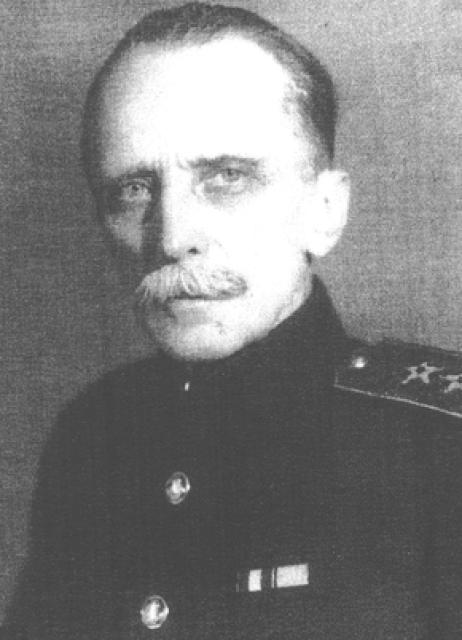
Eurico Dutra
 Brazil
- Early Life and Military Career
- Rise Through the Ranks
- Brazil in World War II
- Presidency
- Later Years and Legacy
Early Life and Military Career
Eurico Gaspar Dutra was born on May 18, 1885, in Cuiabá, the capital of the state of Mato Grosso, Brazil. He received his secondary education at a local school and entered military service at the age of 17. He enrolled in the military academy and graduated as a second lieutenant in 1910.
Rise Through the Ranks
Dutra steadily advanced through the military ranks, holding various command positions by 1930. This led to his support of Getúlio Vargas, who appointed him director of the military academy in 1932. Four years later, Dutra became Minister of War, a position he held until 1945. During this time, he modernized the army and established the Brazilian Air Force.
Brazil in World War II
During World War II, Brazil faced a dilemma due to its large German-descendant population, many of whom sympathized with the Axis powers. However, Dutra and other influential army officers saw the need to align Brazil with the Allies. In 1942, Brazil declared war on Germany.
Dutra's role as Minister of War included visiting the United States in 1943, where he toured important war industries and consulted with the American General Staff. He also led the Brazilian Expeditionary Force, which fought alongside Allied troops in Italy.
Presidency
In 1945, President Vargas resigned and announced his support for Dutra's candidacy in the December election. Dutra was elected and took office as President in January 1946. With the adoption of a new constitution in September 1946, the Brazilian Congress convened for the first time in nine years.
As President, Dutra pursued a policy of Western Hemisphere solidarity and close relations with the United States. In May 1947, the Brazilian Communist Party was banned by the Superior Electoral Tribunal, and its members were removed from government positions. Diplomatic relations with the Soviet Union were severed in October 1947.
Later Years and Legacy
Dutra's Social Democratic Party, which gained a majority in Congress after the 1945 elections, enacted social welfare measures, including literacy programs. In the October 1950 election, Vargas was re-elected as President, and Dutra retired from politics. He passed away in Rio de Janeiro on June 11, 1974.
Eurico Gaspar Dutra's legacy is marked by his military and political leadership during a critical period in Brazilian history. He played a key role in modernizing the armed forces, aligning Brazil with the Allies in World War II, and fostering the country's relationship with the United States.