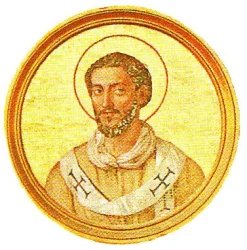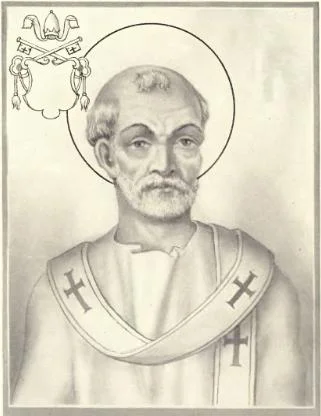
Eusebius
- A short and poorly documented pontificate
- The dispute over the “lapsed”
- Exile under Maxentius
- Veneration and legacy
Pope Eusebius led the church in Rome for a brief period around 309 or 310, in the unsettled years after the Diocletianic persecution. His pontificate is remembered chiefly for a dispute over how to receive Christians who had renounced their faith under pressure and later sought readmission. The conflict became so serious that Emperor Maxentius banished both Eusebius and his chief opponent, Heraclius. Eusebius died in exile in Sicily and was later honored as a martyr.
A short and poorly documented pontificate
Almost nothing is known about Eusebius’ early life. He succeeded Marcellus as bishop of Rome at a time when Christians were rebuilding communities after persecution, property seizures and the imprisonment or execution of clergy. The exact dates and duration of his pontificate are uncertain; later lists place it in 309 or 310 and describe it as lasting only a few months.
The most important account of his leadership comes from a verse epitaph written by Pope Damasus I later in the fourth century. The inscription remembers a serious conflict in the Roman church and Eusebius’ eventual exile. Because so little contemporary evidence survives, many details of the episode remain uncertain.
The dispute over the “lapsed”
A major question facing Christian communities after persecution was how to treat the “lapsed”: people who had renounced Christianity or complied with demands to sacrifice during the crackdown. Some sought immediate readmission to communion, while others insisted on repentance and a period of penance.
According to the later account preserved in Damasus’ epitaph, Eusebius defended a disciplined process of reconciliation. Heraclius led a faction pressing for the readmission of those who had lapsed. The disagreement escalated into turmoil in Rome, though later retellings provide more specific details than the earliest surviving evidence can securely confirm.
Exile under Maxentius
The civil authorities intervened in the conflict. Emperor Maxentius banished both Eusebius and Heraclius, apparently seeking to restore order by removing the leaders of opposing factions. Eusebius was sent to Sicily, where he died not long afterward.
His remains were eventually brought back to Rome and buried in the cemetery of Callixtus. The epitaph commissioned by Damasus praised his steadfastness and helped establish his memory as a holy leader who endured exile for his principles.
Veneration and legacy
Eusebius’ place in church history rests less on a long record of governance than on the example attributed to him in the dispute over repentance and reconciliation. Later Christians honored him as a martyr, although accounts indicate that he died in exile rather than being executed.
His story reflects a difficult period in which Christian communities had to balance mercy toward those who had failed under persecution with expectations of discipline and public accountability. The limited evidence leaves many personal details unknown, but the memory of his exile preserved the conflict as a defining episode in the early Roman church.