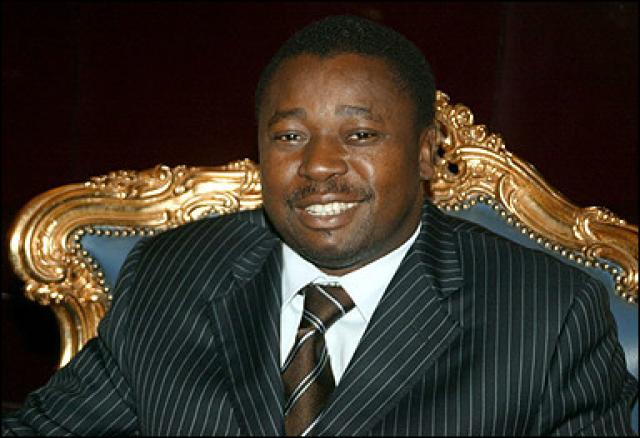
Faure Gnassingbe
 Togo
Togo- Early Life and Education
- Political Career
- Accession to the Presidency
- Military Support and International Intervention
- Presidential Election and Controversies
Early Life and Education
Born on June 6, 1966, in the Kabou village of Afagnan, Togo, Faure Gnassingbé is the son of President Gnassingbé Eyadéma. He received his secondary education in Lomé, the capital of Togo. Subsequently, he pursued higher education in Paris at the renowned Sorbonne University, where he earned a degree in financial business administration. Gnassingbé later studied at George Washington University in the United States, obtaining a degree in management.
Political Career
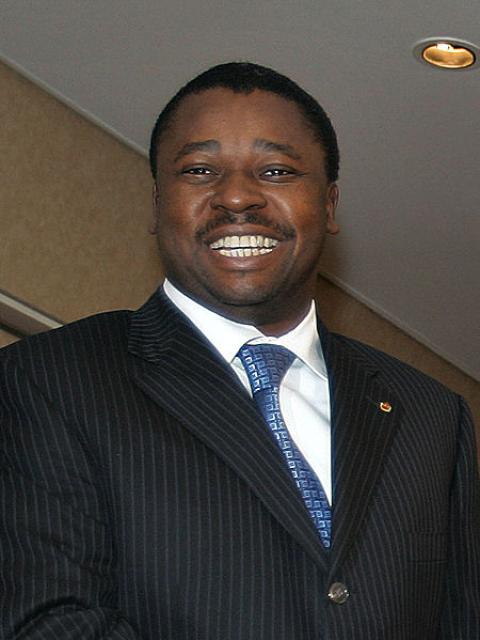
Gnassingbé's political career commenced in the Togolese National Assembly after he was elected in the parliamentary elections of October 2002. He held the position of coordinator of the commission responsible for privatization. In July 2003, he was appointed as Minister of Equipment, Mines, Posts, and Telecommunications, a role he held until his elevation to the presidency in February 2005.
Accession to the Presidency
Following his father's sudden death on February 5, 2005, Gnassingbé became acting president, despite the constitutional requirement that the president of the National Assembly should assume the role. His self-appointment sparked widespread discontent, as many believed the true successor was Fambare Ouattara Natchaba.
Military Support and International Intervention
The Togolese military extended its support to Gnassingbé, forcing Natchaba to relinquish all authority. However, pressure from the African Union, which condemned the change of power as a military coup, led Gnassingbé to cede the presidency to Natchaba pending official elections.
Presidential Election and Controversies
Gnassingbé ultimately emerged victorious in the presidential elections held on April 24, 2005. The opposition responded with mass rallies and demonstrations, resulting in casualties and a significant number of refugees fleeing to neighboring countries.