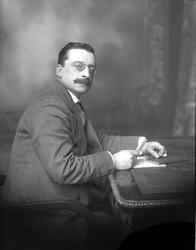
Fernando Cardenal
 Nicaragua
- Father Fernando Cardenal: A Revolutionary Jesuit Priest
- Early Life and Education
- Joining the Sandinista Revolution
- Minister of Education
- Suspension and Reinstatement
- Distancing from the FSLN
- Return to Jesuit Order and Educational Initiatives
- Legacy
Father Fernando Cardenal: A Revolutionary Jesuit Priest
In the heart of Nicaragua, a nation marked by both revolution and faith, Father Fernando Cardenal emerged as a figure known for his unwavering commitment to both.
Early Life and Education
Born into an affluent family in the city of Granada, Nicaragua, Cardenal's path took an unexpected turn when he joined the Society of Jesus (Jesuits). His decision to pursue religious life aligned with a deep-seated passion for social justice.
Joining the Sandinista Revolution
Together with his older brother Ernesto, Father Cardenal became a fervent supporter of the Sandinista National Liberation Front (FSLN), a movement determined to overthrow the oppressive dictatorship of Anastasio Somoza.
Minister of Education
Following the triumph of the Sandinista Revolution in 1979, Father Cardenal played a pivotal role in the country's educational system. As Minister of Education from 1984 to 1990, he spearheaded a comprehensive literacy campaign, bringing the light of knowledge to thousands of Nicaraguans.
Suspension and Reinstatement
Cardenal's involvement in politics, however, drew the ire of the Catholic Church. In a controversial decision, Pope John Paul II suspended him from priestly duties, citing the church's prohibition against its clergy engaging in partisan political activities. Despite his suspension, Cardenal remained deeply connected to the Jesuit order, which has a long history of commitment to education and social advocacy.
Distancing from the FSLN
In 1990, Father Cardenal resigned from his ministerial post and distanced himself from the Sandinista party. He expressed concerns that the party had strayed from the principles that had inspired the revolution.
Return to Jesuit Order and Educational Initiatives
After a period of reflection, Father Cardenal was reinstated into the Jesuit order in 1996. He dedicated himself to leading the national educational movement "Fe y Alegría" ("Faith and Joy"), which sought to provide access to education for the most marginalized communities in Nicaragua.
Legacy
Father Fernando Cardenal's legacy is that of a man who dared to bridge the worlds of faith and politics. His unwavering commitment to the poor and oppressed, coupled with his deep love for his country, made him a revered figure both within Nicaragua and beyond.