Frances Farmer
 USA
USAEarly Life and Career
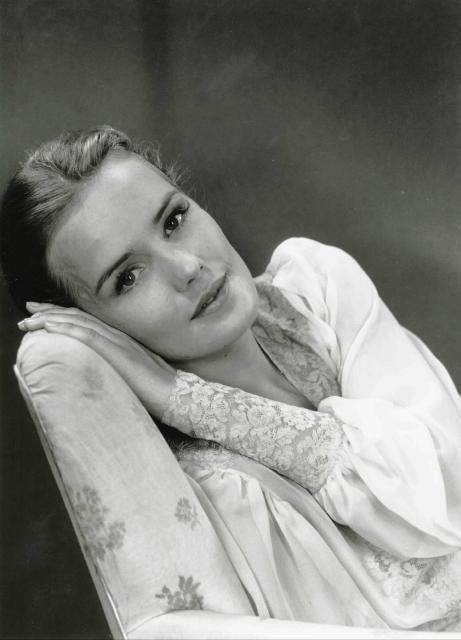
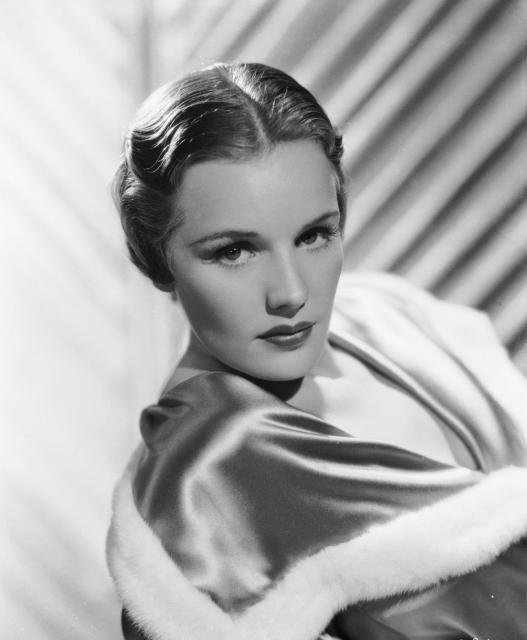
Francis Farmer was born on September 19, 1913, in Seattle. She was a smart and talented child who showed extraordinary abilities from an early age. She excelled in writing essays in school and even won several awards. Another passion of hers was the theater. She dreamed of becoming an actress and enrolled in the drama department at the University of Washington after graduating from high school. While still studying at the university, Francis made her stage debut in productions of "Uncle Vanya" and "Elena Trojanovskaya." In 1935, she won a student competition and was awarded a trip to the Soviet Union. Despite her mother's strong disapproval, Francis was determined to go to the Moscow Art Theatre. She was later accused multiple times of sympathizing with atheism and communism.
Rise to Stardom
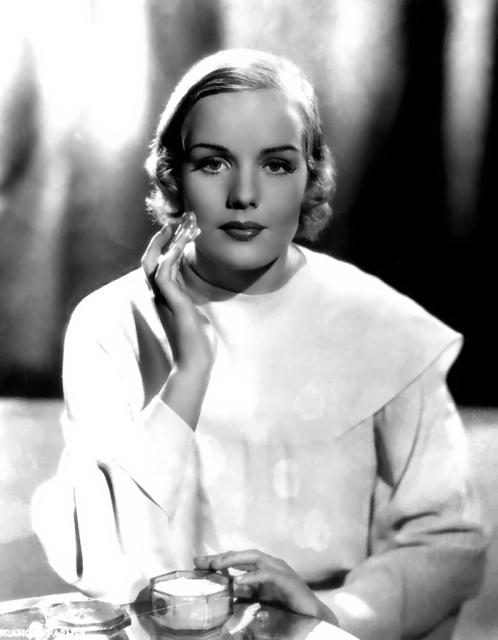
Upon her return to the United States, Francis decided to pursue her acting career seriously and moved to New York. There, she met a representative from Paramount Pictures who arranged an audition for her. Francis successfully passed the auditions and signed a seven-year contract with the studio in 1935. The following year, she made her film debut in "Too Many Parents" (1936). The debut was successful, and during the filming of the movie, Francis met actor Leif Erickson, with whom she soon began a relationship. In the fall of 1936, they got married, and in December, two more movies featuring Francis were released - "Come and Get It" and "Rhythm on the Range." These films were highly successful and brought her immense popularity. She soon became a true star of Paramount Pictures.
Challenges and Downfall
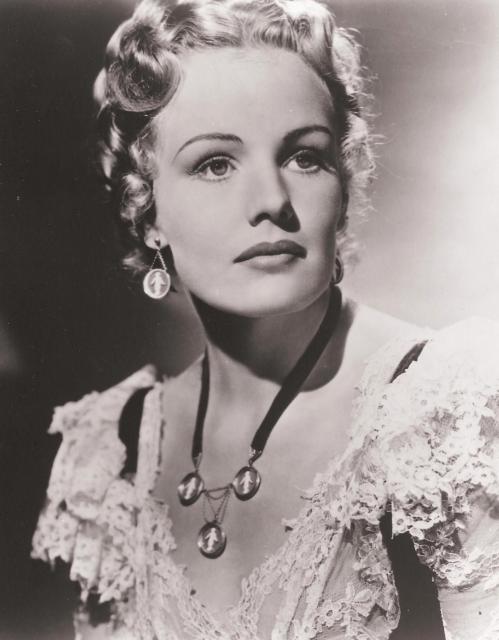
Despite her status in Hollywood, Francis Farmer was dissatisfied with her career. She wanted more independence, but her opinions were never considered by the studio. In 1937, as a protest, Francis left Hollywood for a while and went to the East, where she participated in summer theater productions. It was during this time that she met playwright Clifford Odets and director Harold Clurman, who invited her to play a role in the play "Golden Boy." At first, the critics were reserved in their response to Francis' performance, but when the production became a great success, they praised her highly. However, the euphoria of fame quickly faded. The directors chose another actress for the London production, leading Francis to believe that she had been betrayed. She felt used, and her romantic relationship with Odets, which had sparked on set, meant nothing to him. Francis abandoned Odets and the theater and returned to the studio to fulfill her remaining obligations. She starred in several successful films for Paramount Pictures, such as "South of Pago Pago" (1940), "The Shepherd of the Hills" (1941), and "Among the Living" (1941). However, due to frequent scandals and often showing up on set intoxicated, her reputation began to decline. Producers gradually stopped giving her leading roles, and in 1942, Paramount Pictures terminated her contract. Not only did Francis lose her job in Hollywood, but her marriage to Erickson also fell apart. In October, she was arrested for drunk driving and sentenced to 180 days in jail and a $500 fine. Francis paid half of the sum and was conditionally released, but in January 1943, she was arrested again, this time for a fight in a hair salon. She was taken to the Central Hospital in Los Angeles, where she was diagnosed with manic-depressive psychosis.
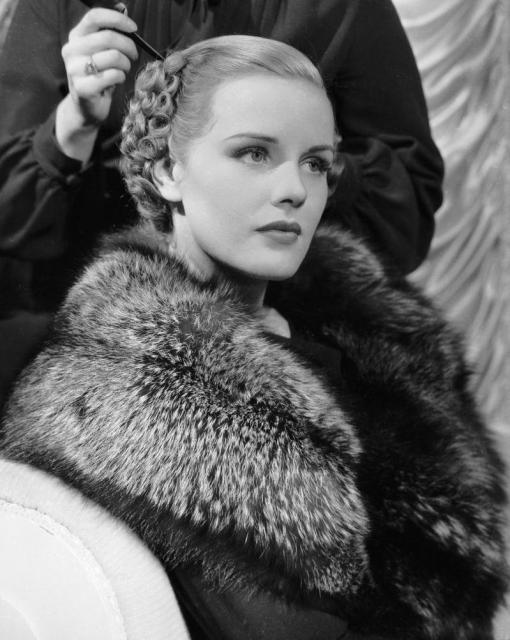
Struggles and Comeback
The arrest and hospitalization of one of Hollywood's stars, who had recently shone on the screen, became major news in America. After a thorough examination, doctors agreed that Francis suffered from schizophrenia and decided to use shock therapy, despite her family's objections. When her mother found out, she came to Los Angeles and, after lengthy legal procedures, eventually gained custody rights. They returned to Seattle, but Francis' illness continued to progress, and she began to exhibit aggression towards those around her. Her mother had to admit her to a clinic, where she spent a whole five years. As conventional treatments did not produce results, it was decided to resort to the radical method of lobotomy. After the procedure, Francis' consciousness changed, but she was no longer the same brave, free-spirited Francis Farmer. The story of her life evokes great pity for her tragic fate and has become a symbol of an invisible struggle. Despite everything, Francis continued to fight. In the 1950s, she returned to a normal life. Her rights were restored, and she remarried Alfred H. Lobley and worked as a secretary at a film studio for a while. In 1957, after meeting producer Leander S. Meixsell, Francis returned to the stage. In the same year, she divorced Lobley and married Meixsell, who helped her secure a position on television. She began hosting her own show called "Francis Farmer Presents." In 1958, Francis appeared in the film "Cicada" – her last movie. Her show was successful on television for a long time, but after she divorced Meixsell in 1964, her behavior once again became uncontrollable. The show was canceled, and Francis permanently abandoned her acting career. Over time, people began to forget about her until the news of her death from cancer on August 1, 1970, rekindled interest in her. It is noteworthy that few knew about Francis Farmer's tragic life story until the release of the film "Frances" in 1980. Jessica Lange, who portrayed her, played the role so convincingly that she was nominated for an Oscar. Her story was further popularized by the leader of the band Nirvana, Kurt Cobain, and singer-songwriter Mylène Farmer, who took her surname and became known worldwide as Mylène Farmer. Thus, the name Francis Farmer became part of popular culture. However, this was not what Francis had dreamed of; she only wanted recognition for her talent.