Francis Quarles
 Great Britain
- George Wither: A Renaissance Poet between Law and Literature
- Humble Beginnings as a Lawyer
- A Poetic Legacy
- "Emblems": A Masterpiece of Religious Verse
- A Controversial Figure
- A Poet's Enduring Legacy
George Wither: A Renaissance Poet between Law and Literature
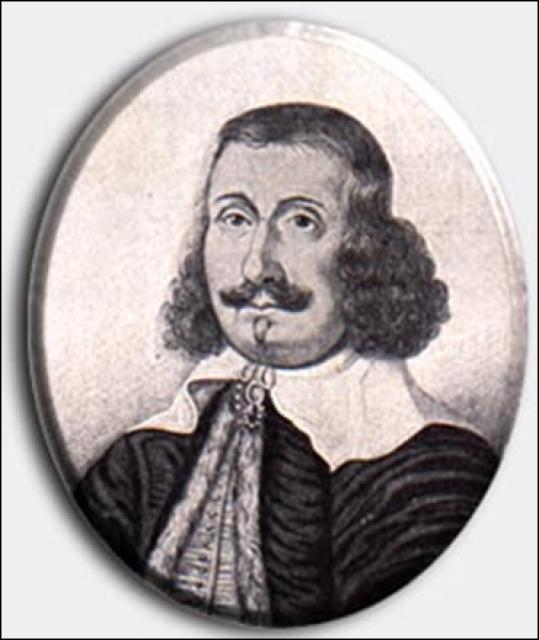
George Wither, an eminent English poet of the Renaissance, embarked on a remarkable journey that spanned both legal and literary realms.
Humble Beginnings as a Lawyer
Born circa 1588, Wither initially pursued a career in law. However, his heart yearned for the world of letters. As a result, he left the legal profession behind to become the chronicler of the City of London.
A Poetic Legacy
During his lifetime, Wither penned numerous poems, primarily of a religious nature. His works exuded an idiosyncratic blend of originality in thought and a distinctive literary style.
"Emblems": A Masterpiece of Religious Verse
Among Wither's most renowned works is his collection of poems titled "Emblems," first published in 1635. This collection captured the essence of his Christian beliefs, using emblems—visual symbols—to convey profound spiritual truths. The work proved so popular that it underwent multiple editions, including a notable republication in 1875.
A Controversial Figure
Despite his literary prowess, Wither's bold and outspoken nature often brought him into conflict with the authorities. His writings on political and religious matters drew censure, earning him a reputation as a controversial figure.
A Poet's Enduring Legacy
Despite the challenges he faced, George Wither's literary output remains a significant contribution to the English literary canon. His distinctive voice and religious fervor resonate with readers to this day, preserving his legacy as a Renaissance poet of great originality and impact.