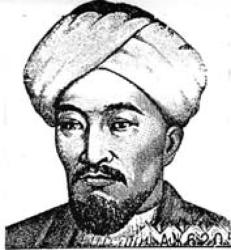
Frank Sebastian
 Germany
- Biography of Frank Sebastian
- Conversion to Anabaptism
- Philosophical Contributions
- Opposition to Church Dogma and Organized Religion
- Influence on Late Reformation Movements
Biography of Frank Sebastian
Frank Sebastian (January 20, 1499, Donauwörth - 1542 or 1543, Basel) was a German humanist, philosopher, and historian. He was a prominent figure in the radical bourgeois movement of the Reformation.
Conversion to Anabaptism
In 1528, Sebastian renounced his clerical position and joined the Anabaptists. During the period of reaction following the suppression of the Peasants' War (1524-1526), he developed views deeply sympathetic to the people and faced constant persecution from both the Catholic and Lutheran camps.
Philosophical Contributions
Sebastian first detailed his historical and philosophical views in his work "Chronicle, Annals, and Historical Bible" (1531). This was followed by "Cosmography" (1533), "German Chronicle" (1538), "Proverbs" (1541), and others. His views were influenced by German pantheistic mysticism (such as Meister Eckhart and Johannes Tauler) and humanistic rationalism, as well as his experiences during the Peasants' War and the Reformation.
Opposition to Church Dogma and Organized Religion
Sebastian strongly opposed church dogma and any form of organized religion, advocating for the concept of "the inner word" and "Christ within us." He provided a comprehensive picture of the historical development of humanity and believed that the root of all human suffering lay in private property (including feudal ownership). He spoke out against the tyranny of the clergy, princes, and nobles, arguing for the inevitability of the downfall of the powerful (although he did not support popular uprisings).
Influence on Late Reformation Movements
Frank Sebastian had a significant influence on various late Reformation movements. His ideas contributed to the development of dissenting religious sects and alternative theological perspectives. Despite his controversial and contradictory views, Sebastian's works left a lasting impact on the intellectual and religious landscape of his time.