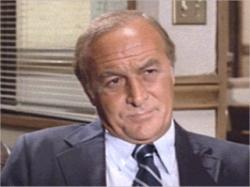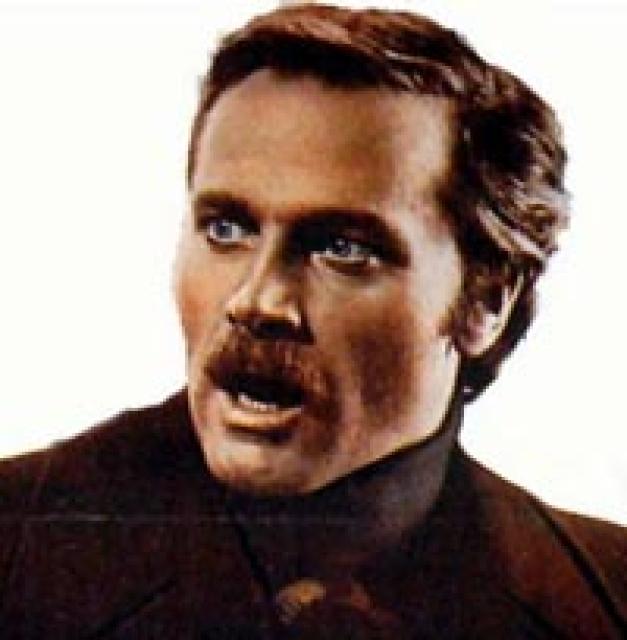
Franko Nero
 Italy
ItalyBiography of Franco Nero
Franco Nero, born on November 23, 1941, is an Italian actor who gained prominence in the era of political cinema. His real surname is Sparatnaro. He made his debut in the film industry in 1964, appearing in Carlo Lizzani's "Jaws of the Black Panther."
Early Career
Nero's breakthrough came with his portrayal of Abel in John Huston's "The Bible" (La Bibbia, 1965) and his role in Antonio Pietrangeli's social drama "I Knew Her Well" (1965). During this time, Nero was primarily associated with adventure films such as Sergio Corbucci's "Django" (1966), Lucio Fulci's "Massacre Time" (1966), and Franco Prosperi's "Technique of a Murder" (1967). However, he gradually attempted to diversify and deepen his repertoire.
Diversifying His Repertoire
Nero ventured into problem-focused films including Damiano Damiani's "The Day of the Owl" (Il Giorno Della Civetta, 1967), Gianfranco Mingozzi's "The Violent Face" (1968), Elio Petri's "A Quiet Place in the Country" (Un Tranquillo Posto Di Campagna, 1968), and Veljko Bulajic's "The Battle of Neretva" (Bitka Na Neretvi, 1969, Yugoslavia). He also collaborated internationally, starring in Luis Bunuel's "Tristana" (1970) alongside Spain and France.
Political Cinema
Nero became one of the noticeable actors in the realm of political cinema with films like Giuliano Montaldo's "God with Us" (1969), "Confessions of a Police Commissioner to the District Attorney" (Confessione Di Un Commissario Di Polizia Al Procuratore Della Repubblica, 1971) and "Investigation of a Citizen Above Suspicion" (1973) by Damiano Damiani, "The Matteotti Murder" (Il delitto Matteotti, 1973) by Florestano Vancini, and "Mussolini: The Last Act" (Mussolini: Ultimo Atto, 1974) by Carlo Lizzani.
Later Career
Despite his involvement in politically-driven films, Nero continued to appear in numerous commercial movies. He also had the opportunity to work with renowned directors, including Mark Bellochio's "The Triumphant March" (Marcia Trionfale, 1976), Sergei Bondarchuk's "Red Bells" (1982) in collaboration with the USSR and Mexico, and Rainer Werner Fassbinder's "Querelle" (1982) in West Germany.