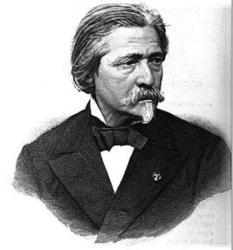
Fransua Jirardon
 France
- François Girardon: A Master of French Classicism
- Return to Paris and Royal Patronage
- The Style of Louis XIV
- Monumental Creations
- Italian Influence
- Legacy
François Girardon: A Master of French Classicism
Early Life and TrainingBorn in Troyes, France, François Girardon began his artistic education under the tutelage of the local sculptor Boedesson. In 1648, he embarked on a transformative journey to Rome, where he immersed himself in the Baroque style under the guidance of Gian Lorenzo Bernini.
Return to Paris and Royal Patronage
Upon his return to Paris in 1650, Girardon joined forces with Laurent Magnier and François Anguier. In 1657, he gained recognition by being admitted to the Royal Academy, and in 1694, he ascended to the position of its president.
The Style of Louis XIV
Alongside Antoine Coysevox, Girardon emerged as a leading figure in the sculptural expression of Louis XIV's reign. This distinctive style, heavily influenced by Charles Le Brun, characterized a collaborative effort among artists serving the king.
Monumental Creations
Girardon's most notable works include the sculptural adornments of the Gallery of Apollo in the Louvre (1664-1671), numerous sculptures and designs for the Palace of Versailles, and the equestrian statue of Louis XIV on Place Vendome (1699, later destroyed).
Italian Influence
In 1668, Girardon undertook a second trip to Italy at the behest of the king, tasked with acquiring artworks for his collections. The grandeur of Italian masterpieces influenced Girardon's mature style, which became an exemplar for generations of Royal Academy sculptors.
Legacy
Girardon's legacy extends far beyond his lifetime. His monumental and evocative works, such as the Tomb of Richelieu (1694) in the Church of Sorbonne in Paris, continue to inspire and awe viewers to this day. His masterful handling of the Baroque idiom established him as a cornerstone of French classicism and a transformative figure in European art history.