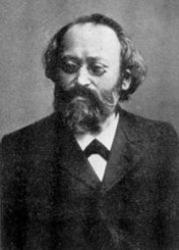
Franz Kullak
 Germany
Franz Theodor Kullak
Early Life and EducationFranz Theodor Kullak, a renowned German composer and music educator, was born into a musical family in Berlin on September 11, 1828. He inherited his talent from his father, Theodor Kullak, who was an accomplished pianist and composer. Franz received his musical training from his father, honing his skills from an early age.
Composition and Pedagogy
Kullak's compositional prowess manifested in his opera "Ines de Castro," a grand work that showcased his melodic gifts. His "Jubilee Overture" for orchestra also received critical acclaim. Beyond opera, Kullak composed a vast repertoire of piano pieces and romances, known for their lyrical and evocative nature.
Kullak's reputation as a music educator was equally profound. He authored a series of influential textbooks, including "Der erste Klavierunterricht" and "Der Fortschritt im Klavierspiel," which provided invaluable guidance to aspiring pianists. His expertise in Beethoven's piano works led him to publish an in-depth study on the subject, titled "Der Vortrag in der Musik am Ende des XIX Jahrhunderts."
Legacy and Influence
In 1882, Kullak assumed leadership of the prestigious Neue Akademie der Musik, which his father had founded. However, he closed the institution in 1890, leaving an enduring legacy through his transformative pedagogical methods. His passion for music education inspired generations of pianists and composers.
Kullak's meticulous transcriptions of orchestral works by Mozart and Beethoven allowed these masterworks to be accessible to a wider audience. His contributions to music education and his masterful compositions continue to be celebrated and studied to this day. Franz Theodor Kullak passed away in Berlin on December 25, 1913, leaving an indelible mark on the world of classical music.