Frederic Carter
 Canada
- Early Life and Career
- Entry into Politics
- Role in Confederation
- Premiership and Second Term
- Judicial Career
Early Life and Career
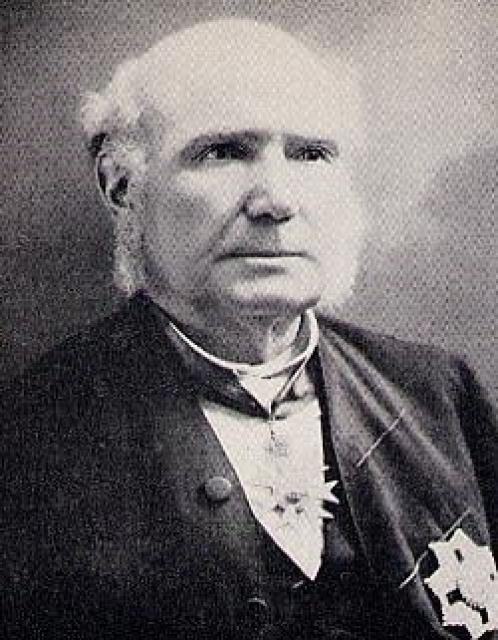
Frederick Carter was a Canadian politician and prominent figure in the movement for Canadian Confederation. Born in St. John's, Newfoundland, he attended a private school and pursued legal studies. After becoming a lawyer in 1842, he established an extensive legal practice.
Entry into Politics
In 1846, Carter married Eliza Baily. He entered politics as a Conservative, representing Trinity Bay in 1855. During the 1850s, he actively participated in negotiations with the United States and France over fishing rights off Newfoundland's coast.
Role in Confederation
Carter played a pivotal role in the Quebec Conference of 1864, which laid the foundation for Canadian Confederation. He represented Newfoundland alongside Ambrose Shea, but the idea of union was initially unpopular in the province. Carter became a strong advocate for Confederation, despite facing opposition from anti-unionists led by Charles Fox Bennett.
Premiership and Second Term
After becoming Premier of Newfoundland in 1869, Carter formed a coalition government to secure support for his pro-Confederation stance. However, economic factors influenced public opinion, and he lost the 1869 election by a narrow margin.
In 1873, Carter led the Conservative Party to victory, becoming Premier for a second time. During this term, he focused on education reforms and railway construction.
Judicial Career
After leaving politics, Carter served on the Supreme Court of Newfoundland from 1878 and became Chief Justice in 1880. He held this position until 1898, leaving a lasting legacy in Newfoundland's judicial system.