Fyodor Zubov
 Russia
- H2: Fyodor Zubov - A Baroque Iconographer of the 17th Century
- H2: Stylistic Distinctiveness
- H2: Royal Patronage and Prestige
- H2: Revivifying Religious Piety
- H2: Harmony and Versatility
- H2: Need and Royal Favor
H2: Fyodor Zubov - A Baroque Iconographer of the 17th Century
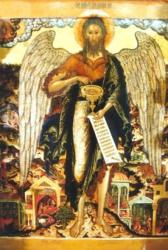
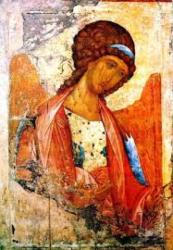
Fyodor Evtikhievich Zubov was a prominent and gifted iconographer who flourished in the 17th century. His artistic style was influenced by the Baroque movement, with its characteristic emphasis on volume, dynamism, and emotional expression.
H2: Stylistic Distinctiveness
Zubov's iconography is distinguished by its calligraphic style, reminiscent of the Ustyug school of icon painting. His works abound in intricate ornamental "uzorochye" patterns, rendered with exquisite detail and precision. The combination of Baroque techniques with the vibrancy and intensity of Russian colors create a captivating and visually stunning effect.
H2: Royal Patronage and Prestige
Zubov's mastery earned him widespread recognition as an iconographer of exceptional talent. He was commissioned for significant iconographic projects, including the decoration of various Moscow cathedrals and monasteries. In 1662, he was appointed to the icon workshop of the Armory Chamber by royal decree. By 1686, he had risen to the position of its chief. Zubov was among the five esteemed "granted iconographers," receiving a monthly stipend from the state treasury.
H2: Revivifying Religious Piety
Zubov's artistic vision aimed to infuse the saints depicted in his icons with a profound sense of purity and spiritual significance. He sought to blend the artistic advances of his time with the hallowed traditions of earlier iconography. In the monumental frescoes of the Transfiguration Cathedral, he demonstrated his encyclopedic knowledge and mastery of historical iconography, narrating major events from Russian history.
H2: Harmony and Versatility
Zubov's seamless blending of different genres reflects the multifaceted nature of artistic consciousness during his era. His iconic portrayal of the "Smolensk Mother of God" stands out as a masterpiece that captures both the majesty and vulnerability of the Virgin Mary.
H2: Need and Royal Favor
Zubov's entry into the world of royal patronage was motivated by financial hardship. In the early 1670s, he and his family faced severe economic difficulties, prompting him to petition the tsar for financial assistance. His request was granted, leading to his service at the royal court.