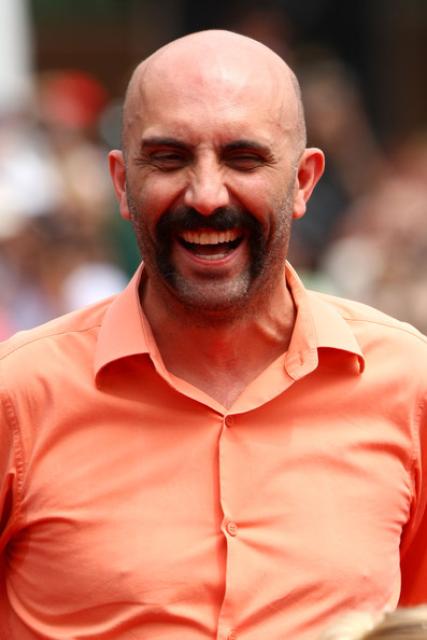
Gaspar Noe
 France
Gaspar Noé: A Biography
Gaspar Noé, a French filmmaker of the New Wave movement, is known as a prominent figure in the so-called 'new extremist wave' of cinema. His films, despite their abundance of violence, sexual perversions, and death, have received prestigious film awards and praise from critics. Noé's work aims to understand the nature of human actions and find humanity's place in the world.
Early Life
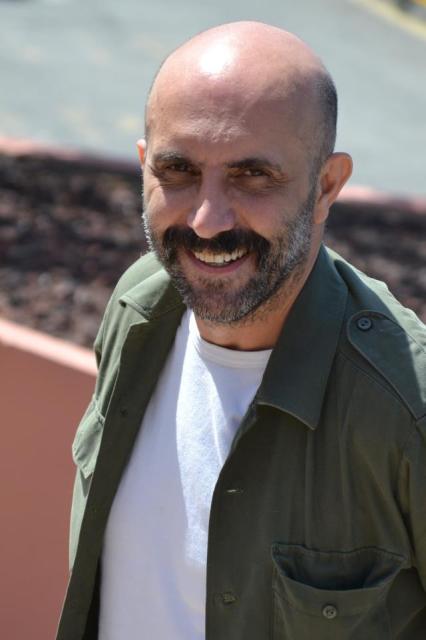
Gaspar Noé was born on December 27, 1963, in Buenos Aires, Argentina. His father, Luis Felipe Noé, was a renowned artist, while his mother worked as a social worker. When Gaspar was two years old, his family moved to New York, but they returned to their homeland five years later. At the age of twelve, Gaspar and his parents settled permanently in Paris, where he enrolled in the National Film School after completing his secondary education. Here, Noé studied photography and cinematography before continuing his education at the University of Paris, majoring in philosophy. Despite studying philosophy in one of the country's most prestigious universities, Noé decided to pursue a career in filmmaking.
Early Career
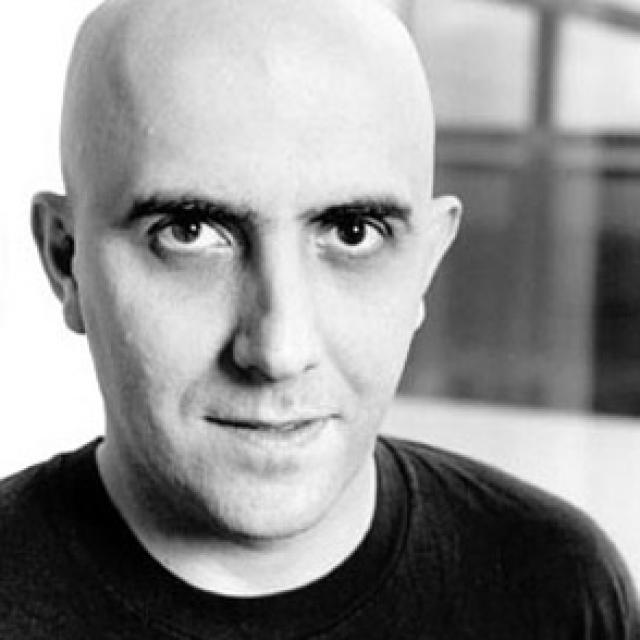
Noé started his journey in the film industry as an assistant to director Pino Solanas, who was working on the film "Tango, Gardel in Exile" at the time. During the production, Noé met actress Lucile Hadzihalilovic, who would later become his wife. Soon after, Noé directed his first short film, "Tinglearella di Luna," and in 1988, he assisted Solanas once again in the making of the film "South." Noé's breakthrough came with his short film "Carcass" (1991), which surprisingly participated in several programs at the Cannes Film Festival and received positive reviews from critics. Inspired by this success, Noé struggled to find funding for his next project. He spent a considerable amount of time creating music videos and even worked as an editor for Canal+, a French television channel, until his full-length film "I Stand Alone" was released in 1998. The film served as an extension of Noé's earlier short film and depicted the further fate of a butcher seeking revenge against his daughter's rapists. "I Stand Alone" competed at the Cannes Film Festival, where it won the Mercedes-Benz Award and received accolades from French journalists.
International Recognition
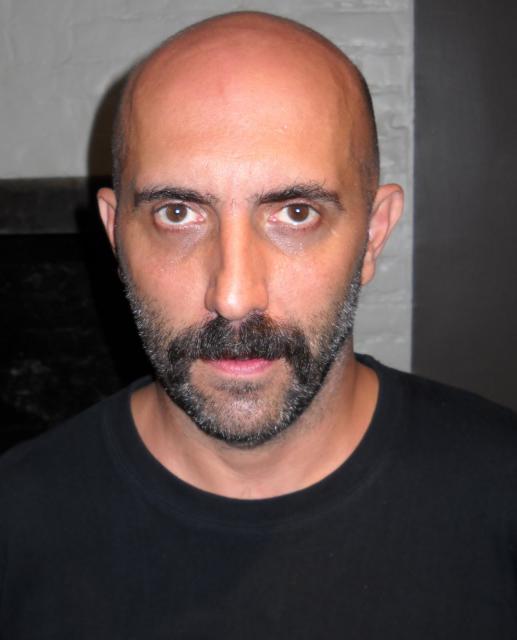
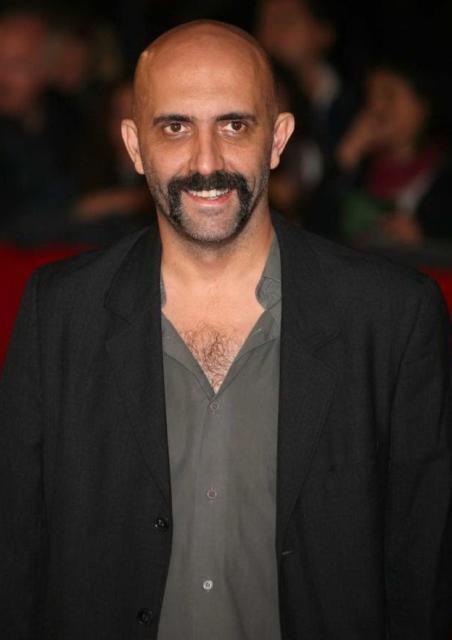
In 2002, Gaspar Noé gained international recognition with the premiere of his film "Irreversible" at the Cannes Film Festival. The film, featuring renowned actors Vincent Cassel and Monica Bellucci, presented thirteen episodes edited in reverse chronological order. Two scenes in particular - an incredibly brutal, nine-minute rape scene and a murder episode in a gay club - left the audience in a state of shock. During the screening, twenty people fainted while 250 others exited the theater before the film concluded. One of the theater's technicians claimed to have never witnessed such a reaction in his 25 years of work. However, those who remained applauded the film standing up. "Irreversible" triumphed at European film festivals and sparked significant controversy. Noé, who became instantly famous, defended his work by stating that those who had witnessed real violence would understand the film. According to the director, death is often not as swift as portrayed in Hollywood movies; in reality, taking someone's life is a challenging task. This aspect was showcased in the prolonged and brutal fire extinguisher murder scene. The film's sound design also played a significant role in its reception, as the initial episodes of "Irreversible" were accompanied by low-frequency sounds, which caused discomfort, dizziness, and mild nausea in the audience. It is possible that Noé intentionally aimed for this effect.
Later Work
In 2006, Gaspar Noé directed a documentary film about the AIDS epidemic in Burkina Faso as part of the "8" project, which brought together eight filmmakers to raise awareness about millennium issues. His next feature film, "Enter the Void" (2009), a psychedelic drama that explores the border between life and death, followed. The film revolves around the hallucinatory visions of a drug dealer and his sister, a nighttime dancer, and serves as an attempt to comprehend reality through artistic means. The Tibetan Book of the Dead, which is read by the main character, appears several times in the film, adding symbolic depth. "Enter the Void" premiered at the Cannes Film Festival and caused a stir, mainly due to its explicit sexual scenes. Noé mentioned that he had contemplated making this film for a long time. The idea of creating a movie about the afterlife came to him during his youth after reading Raymond Moody's book, "Life After Life." As his style developed, Noé realized that the film needed to be shot from a first-person perspective. He was influenced by two movies: Robert Montgomery's "Lady in the Lake" and Kathryn Bigelow's "Strange Days." The screenplay for "Enter the Void" took fifteen years to complete and underwent constant modifications. In the end, it became more euphoric and abstract. Noé stated that "Irreversible" was a preliminary attempt before realizing his main vision.
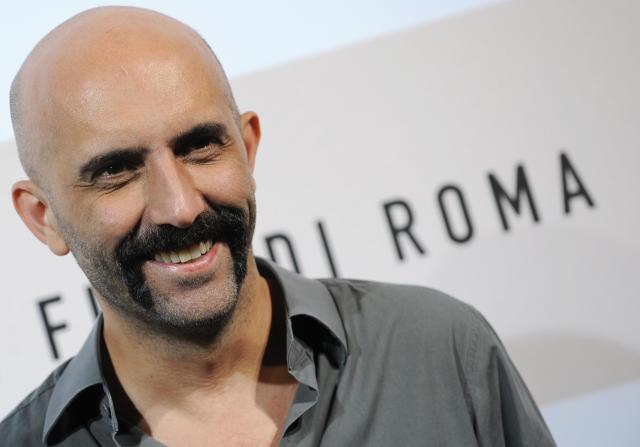
Currently, "Seven Days in Havana" (2012) is Noé's most recent full-length film. The film is a collaborative project involving seven directors, and Noé directed one of its episodes. In the foreseeable future, Noé plans to focus on documentary filmmaking and also hopes to make an erotic film in 3D format. It is likely that his next work will once again shock the audience, pushing the boundaries of human cruelty and presenting new perspectives on screen.


