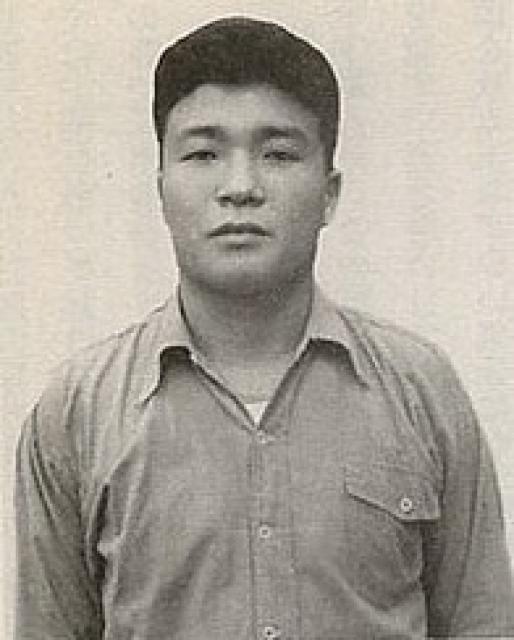
Genzo Kurita
 Japan
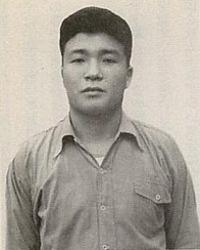
Genzo Kurita was a Japanese serial murderer whose crimes across several prefectures became one of the country’s most notorious postwar criminal cases. Born on 3 November 1926, he was arrested in 1952 after investigators connected him to a series of killings that had remained unresolved for years. He was ultimately sentenced to death in two separate trials and executed in 1959.
A widening investigation
Kurita’s known crimes stretched from the late 1940s into the early 1950s. The cases occurred in different parts of Japan, including Tochigi, Shizuoka and Chiba, and at first were investigated as separate incidents. His arrest in January 1952 led authorities to revisit unsolved cases and connect evidence across the regions.
The best-known episode was the 1951 Osen-korogashi case in Chiba Prefecture, in which a woman and two of her children were killed. A surviving child helped bring the incident to police attention. The case shocked the public, but it formed only part of a larger series of crimes later attributed to Kurita.
Trials and execution
Kurita received a death sentence from the Chiba District Court in 1952 for two murders. After further investigations, a separate trial in Utsunomiya addressed earlier crimes and also resulted in a death sentence in 1953. Accounts commonly attribute eight deaths to him; legal and historical summaries distinguish the killings tried in court from another death that was not prosecuted.
He was executed by hanging on 14 October 1959, at age 32. The case drew attention beyond the courtroom: during postwar parliamentary debates over capital punishment, Kurita’s crimes were cited by supporters of retaining the death penalty. His history is remembered today as a severe example of how crimes across jurisdictions can remain disconnected until evidence is brought together, and as part of Japan’s continuing debate over state punishment.