Georg Flegel
 Netherlands
- Early Life and Apprenticeship
- Collaboration with Valckenborch
- Pioneering Still Life
- Legacy and Influence
Early Life and Apprenticeship
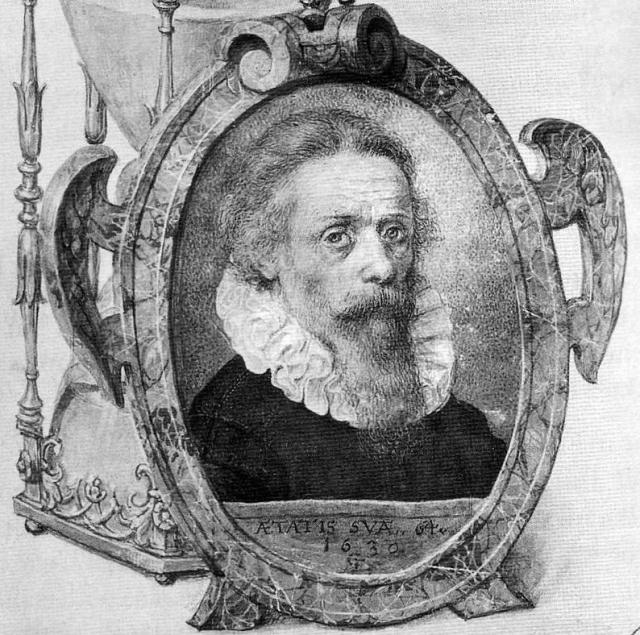
Georg Flegel was born in Moravia, the son of a shoemaker. In 1580, he began working as an assistant in the workshop of the Dutch painter Lucas van Valckenborch in Linz. Flegel's primary task was to paint fruits, vegetables, and flowers on large-scale canvases depicting guild banquets or market scenes.
Collaboration with Valckenborch
In 1592-1593, Valckenborch relocated his workshop to Frankfurt am Main, and Flegel and his wife Brigitte joined him. In April 1597, Flegel became a citizen of Frankfurt with the help of Valckenborch and subsequently established his own workshop.
Pioneering Still Life
Around 1600, Flegel began experimenting with still lifes, using the fruits and objects that he typically painted as backgrounds on larger paintings as inspiration. Despite his modest workshop compared to Valckenborch's, he had one notable pupil, Jacob Marrel, who later studied under Jan de Heem in Utrecht.
Legacy and Influence
Flegel had seven children, two of whom were also painters. His work greatly influenced the German still life painter Sebastian Stoskopff, who likely never met Flegel but studied his canvases closely. Flegel is recognized as one of the earliest German still life painters and one of the leading European masters of the genre in the early 17th century.