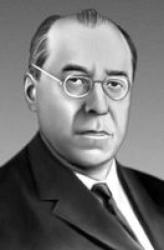
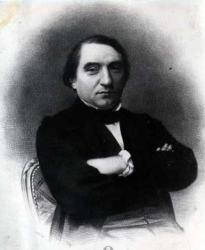
Georg Simmel
 Germany
- Georg Simmel: A Pioneer in Philosophy and Sociology
- Early Life and Education
- Academic Career
- Philosophical Contributions
- Sociological Contributions
- Simmel's Legacy
Georg Simmel: A Pioneer in Philosophy and Sociology
Georg Simmel was a German philosopher and sociologist who made significant contributions to both disciplines. He is widely regarded as one of the key figures of the late "philosophy of life" movement.
Early Life and Education
Simmel was born in Berlin, Germany in 1858. He studied at the University of Berlin, where he earned his doctorate in 1881. His dissertation focused on the work of Immanuel Kant, highlighting his early interest in neo-Kantianism.
Academic Career
Despite his qualifications, Simmel's academic career was hindered by anti-Semitic sentiments within the university. He served as a private lecturer for over 20 years, despite his popularity among students and support from scholars like Max Weber and Heinrich Rickert. In 1901, he became an extraordinary professor and in 1914, a full professor at the provincial University of Strasbourg. However, the university was forced to close at the outbreak of World War I, isolating Simmel from the Berlin academic community.
Philosophical Contributions
Simmel is primarily known for his contributions to the "philosophy of life." He argued that life is a continuous stream of experiences, which are shaped by cultural and historical factors. He emphasized the importance of direct experience and intuition in understanding life and believed that historical events could only be fully grasped through personal engagement and interpretation.
Simmel also developed theories on aesthetics and the philosophy of culture. In his view, art serves as a mirror of society, reflecting its values and beliefs. Additionally, he argued that individuals could transcend their limitations through aesthetic experiences.
Sociological Contributions
In sociology, Simmel is considered a pioneer in the study of social interactions. He developed a theory of social interaction based on the idea that individuals engage in relationships and activities that create and shape social structures. He also introduced the concept of "social conflict," arguing that conflict is an inherent aspect of human society.
Simmel's Legacy
Simmel's work has had a profound impact on the fields of philosophy and sociology. His emphasis on the fluidity of life, the role of culture in shaping experience, and the importance of social interaction has influenced generations of scholars. His ideas continue to be studied and debated today, making him one of the most influential thinkers of the 20th century.