George Pullman
 USA
USA- Biography of George Pullman
- Creating the Pullman Cars
- The Pullman Cars and the Pullman Company
- The Pullman Town
- The Pullman Strike and Later Years
Biography of George Pullman
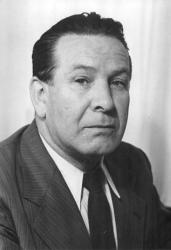
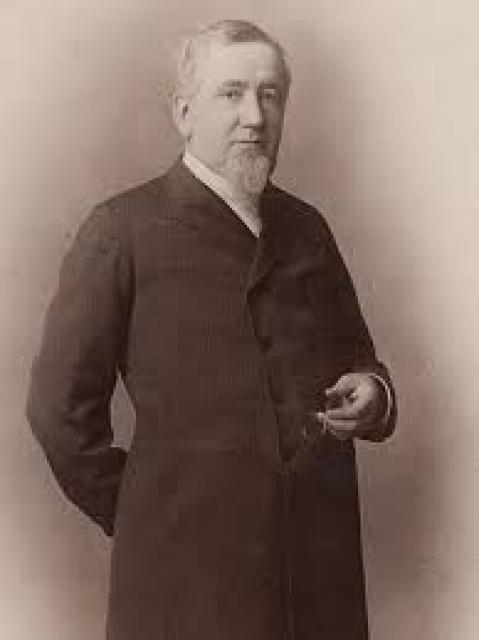
George Mortimer Pullman, an American industrialist and inventor, was born in 1831 in Brocton, New York, into a large family. His family later moved to Albion, New York. Pullman did not complete school, starting to work to support his family. After his father's death, Pullman had to become very active and soon became a successful building mover, expanding his business by relocating buildings for the Erie Canal expansion. In a short time, Pullman not only had high incomes but also a very strong reputation.
Creating the Pullman Cars
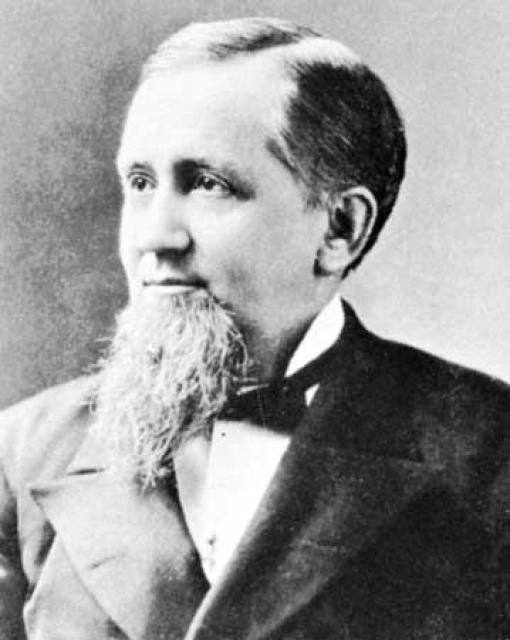
While working in Chicago, Pullman traveled frequently to his family in Albion. Every time he endured the discomfort of the rough train ride, he dreamt of a fundamentally new railroad car where people could relax instead of suffer. Soon, Pullman seriously considered the idea of creating such a car, shifting his focus from the construction business. During this period, Pullman met his future partner, Hanniball Kimball. The first car with a newly equipped passenger salon was ready by 1864. Interestingly, it was in this car that President Abraham Lincoln's body was transported from Washington, D.C. to Springfield in 1865. The Pullman car gained national recognition, and orders for similar cars started pouring in from everywhere. People no longer wanted to travel on trains sitting on hard and uncomfortable seats, even if it meant paying extra for tickets. These trips were positioned as a "luxury for the middle class."
The Pullman Cars and the Pullman Company
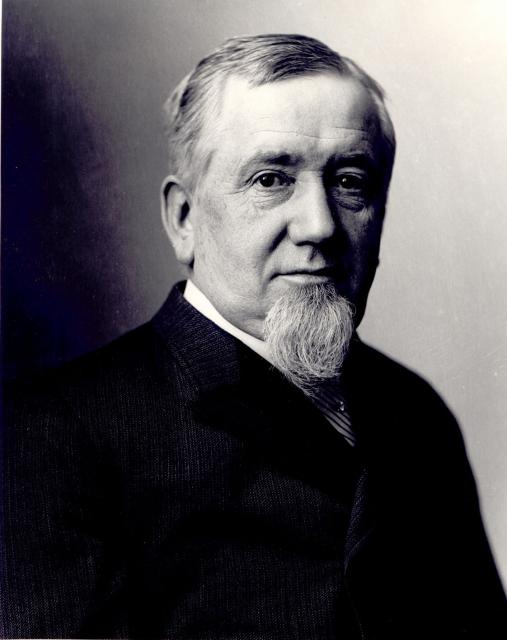
In 1867, Pullman created a high-comfort car and introduced another innovation, the dining car. The first hotel on wheels was named "President." Gradually, "Pullman cars," as well as the businessman's surname, became synonymous with comfort. Soon, any comfortable cars, even those built in Europe, were referred to as "Pullman cars." Thus, the inventor's name became a brand.
Not only the cars themselves but also the services provided in the cars owned by Pullman were of high class. Pullman made the right choice by hiring African Americans, former slaves from plantations, seeing in them a perfect combination of diligence, teachability, and the ability to silently acquiesce. Soon, Pullman became one of the largest employers of African Americans in the country.
The Pullman Town
In 1880, Pullman bought land near Lake Calumet, close to Chicago, to build a new factory. To create the necessary manufacturing process, Pullman decided to build a company town. Alongside typical housing, he also established the necessary infrastructure, including theaters, parks, hotels, libraries, and churches. Pullman firmly believed that good living conditions for his workers could increase productivity and properly motivate people. He managed his town like a feudal baron, banning independent newspapers, meetings, public speeches, and private charitable organizations. Specially appointed inspectors conducted checks in homes, assessing living conditions and cleanliness. Among the workers, a joke circulated: "We were born in Pullman's house, we buy food at Pullman's stores, we studied in Pullman's school, we were baptized in Pullman's church, and when we die, we go to Pullman's hell."
The Pullman Strike and Later Years
During the crisis of 1894, demand for Pullman cars decreased, leading to a decline in production. As a result, workers' wages were reduced, and soon they went on strike, followed by street demonstrations. The situation turned violent when the police attempted to disperse the strikers.
After the strike, Pullman's reputation among workers was severely damaged, sometimes reaching hatred, fueled by union activists. In addition, his treatment of workers was condemned by a special government commission, leading to the town being relinquished to the state. However, Pullman did not live to see this happen, as he suffered a heart attack from the events he had experienced.
On October 19, 1897, George Mortimer Pullman passed away. He was buried in Graceland Cemetery with precautions. His coffin was reinforced with steel, and the grave was filled with cement to prevent possible desecration.
In honor of the businessman, a city in Washington was named Pullman, and a church in Albion, built by Pullman in memory of his parents, bears his name.
It is known that in the early 20th century, limousines were produced under the "Pullman" brand, also known for their enhanced comfort, although they had no connection to George Pullman himself.