Georges Brassens
 France
- Georges Brassens: A Legend of French Music and Poetry
- Wartime and Resistance
- Political Awakening and Artistic Beginnings
- Serendipitous Love and Lifelong Companion
- Musical Success and Touring
- Literary Influence and Poetic Style
- Legacy and Recognition
- A Timeless Icon of Artistic Expression
Georges Brassens: A Legend of French Music and Poetry
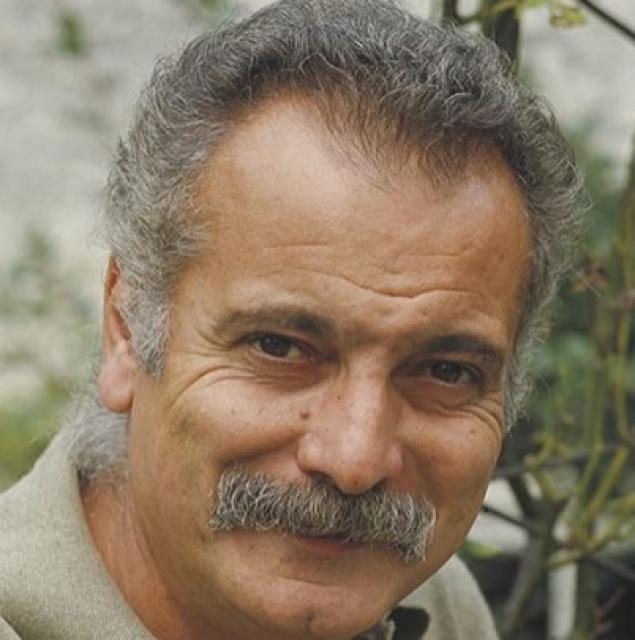
Early Years and InfluencesGeorges Brassens was born on October 22, 1921, in the Mediterranean coastal town of Sète, France. Growing up in a modest family, he developed a keen interest in poetry from a young age. In 1940, at the age of 19, he ventured to Paris.
Wartime and Resistance
In March 1943, the German occupation forces deported Brassens to Germany for forced labor. He was released but deserted from the work camp, finding refuge with Jeanne Le Bonniec, a hospitable Breton woman in whose home he resided for many years. Her kindness inspired several of his songs.
Political Awakening and Artistic Beginnings
In 1946, Brassens joined an anarchist organization. He performed his early songs at their gatherings, gradually refining his songwriting skills. To promote his work, he sought a suitable performer and found it in the legendary cabaret singer Patachou. Her encouragement led him to pursue a public singing career.
Serendipitous Love and Lifelong Companion
In 1947, Brassens met Johanna Heyman, an Estonian woman known by the affectionate nickname "Püppchen" (doll). She became his lifelong companion and muse.
Musical Success and Touring
From the early 1950s onwards, Brassens actively performed live. He began releasing albums regularly from 1953. His concerts and recordings were characterized by a simple and intimate accompaniment, featuring his own guitar rhythm, Pierre Nicolas's double bass, and the lead guitar of Joël Favreau.
Literary Influence and Poetic Style
Brassens's songs often drew inspiration from the works of French poets, including François Villon, Pierre Corneille, Victor Hugo, Louis Aragon, Paul Fort, and Antoine Pol. His lyrics are notable for their colloquial language, rich vocabulary, witty metaphors, and allusions.
Legacy and Recognition
Georges Brassens passed away on October 29, 1981, in Saint-Gély-du-Fesc, France. Despite his poetic wish to be buried "on the beach in Sète," he was laid to rest in the Cemetery du Py. A park in Paris bears his name.
A Timeless Icon of Artistic Expression
Georges Brassens's musical and poetic legacy continues to inspire and captivate audiences around the world. His songs, with their eloquent lyrics and simple yet profound melodies, have become timeless classics that celebrate the human experience in all its beauty and complexity.