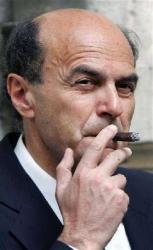
Georges-Etienne Bonnet
 France
- Georges Bonnet: French Politician and Wartime Figure
- Ministerial Career and Pre-War Diplomacy
- Collaboration with Vichy and Post-War Exile
- Political Comeback and Amnestied Return
- Later Years and Legacy
Georges Bonnet: French Politician and Wartime Figure
Georges Bonnet, a French politician, was a prominent figure during the interwar and wartime periods. Born into a family of lawyers, he pursued his education at the École Libre des Sciences Politiques and the Sorbonne.
Ministerial Career and Pre-War Diplomacy
Bonnet held various ministerial positions between 1925 and 1940, representing the interests of financial circles within the government. As Foreign Minister from 1938 to 1939, he played a pivotal role in the appeasement policy towards the Axis powers. He was instrumental in negotiating the Munich Agreement in 1938.
Collaboration with Vichy and Post-War Exile
During the German occupation of France, Bonnet joined the collaborationist Vichy government in 1941. However, he was later expelled from the Radical Party in 1944. After the liberation of France, he fled to Switzerland to avoid prosecution for his wartime collaboration. He lived there until 1950.
Political Comeback and Amnestied Return
Bonnet published his memoirs from 1946 to 1948, attempting to justify his pre-war appeasement policy and wartime collaboration. Following an amnesty in 1953 for those found guilty of "national indignity," he returned to France and resumed his political career. He was even reinstated into the Radical Party in 1952. However, he later refused to support Pierre Mendès-France and was once again expelled in 1955.
Later Years and Legacy
In 1956, Bonnet was elected mayor of Brantôme and a deputy for Dordogne. His legacy remains a controversial one, with his role in the pre-war policy of appeasement and his wartime collaboration drawing significant criticism. Despite his later efforts to justify his actions, his reputation as a political opportunist who compromised France's national interests overshadows his other contributions.