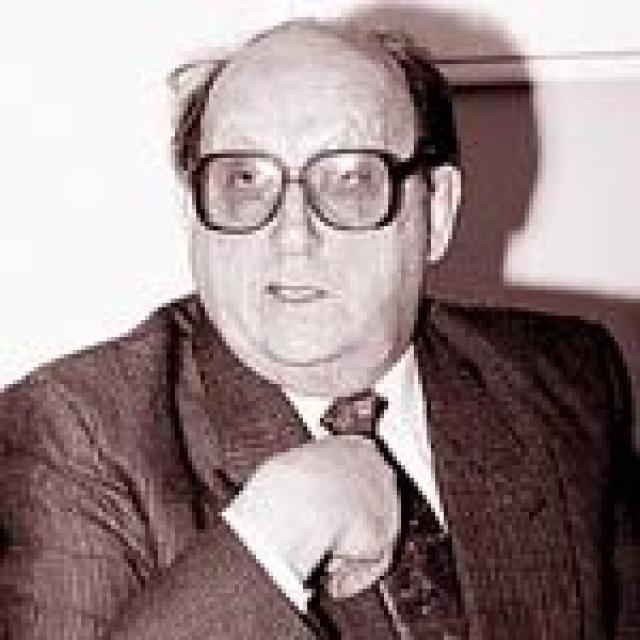
Georgiy Arbatov
 Ukraine
Georgy Arbatov: A Biography
Georgy Arbatov, an academician, was the head of the Institute of the USA and Canada for many years. He is known for his expertise in analyzing the Russian crisis of the 1990s, often compared to the Great Depression that shook the United States seventy years prior. Arbatov believes that Russia can learn from the American experience during the 1930s and apply it to its own economic and political situation.
Arbatov suggests that the Russian reformers of the 1990s overlooked the importance of having a well-defined concept and idea behind their reforms. Instead, they focused on moving away from the Soviet model, resulting in a semi-wild form of capitalism reminiscent of the late 18th to early 19th centuries. While the causes of the Great Depression in America and the systemic crisis in Russia are different, the depth of the economic downfall is somewhat comparable. Arbatov argues that Russian President Putin should take inspiration from Franklin Roosevelt's New Deal and its approach to reform.
Arbatov emphasizes the need for a leader who is not afraid to implement unpopular measures. He cites Roosevelt's adoption of two extremely stringent laws on industrial recovery and agricultural regulation as pivotal in saving capitalism. According to Arbatov, Putin should focus on revitalizing elements of planned economy and addressing the moral aspect of economic reforms. He believes that the active participation of the population is crucial for the success of structural changes and that the Russian economy cannot rely solely on natural resources.
Arbatov criticizes the lack of diversity and intellectual capacity among Russia's current leaders. He suggests that Putin should surround himself with individuals who are intellectually superior and capable of contributing their expertise. Arbatov references the successful collaboration between Roosevelt and various intellectuals, including those from opposing political parties. He believes that a leader should not fear dissent but rather recognize the importance of strong personalities in decision-making.
Furthermore, Arbatov highlights the importance of press freedom and the separation of powers in a democracy. He points out that in the United States, the press is relatively independent from both economic and bureaucratic influences, enabling a more balanced public discourse. Arbatov argues that Russia should not fear a free press but instead grant it greater freedom to ensure a healthy democracy.
In conclusion, Georgy Arbatov is an academician who believes that Russia can learn from the American experience during the Great Depression. He emphasizes the need for a well-defined concept and the active participation of the population in economic reforms. Arbatov also calls for the inclusion of intellectual individuals in the decision-making process and stresses the importance of press freedom in a democratic society.


