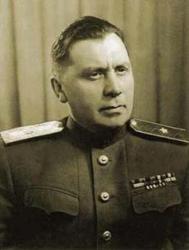
Gerhard Kegel
 Germany
- Gerhard Kegel: A Life of Espionage and Resistance
- Education and Political Awakening
- Involvement in Communism
- Espionage Career
- "Red Orchestra" and Eastern Front
- Controversy and Legacy
Gerhard Kegel: A Life of Espionage and Resistance
Early Life and FamilyGerhard Kegel was born in 1907 in Preußen-Herby, a small railway station on the then German-Russian border. His father, Paul, was a railway worker, and his mother, Elisabeth, was a homemaker. Gerhard had two brothers, Kurt and Rudolf.
Education and Political Awakening
Gerhard began his education at a real school in Kattowitz in 1914. He was deeply affected by the outbreak of World War I and the subsequent Polish uprisings in Upper Silesia. After the war, his family moved to Opole, where he joined the "National Socialist Movement."
Involvement in Communism
In 1926, Gerhard entered the University of Breslau as a business student. While there, he joined the Socialist Party and became involved in the Free Association of Socialist Students. In 1931, he joined the Communist Party, setting the course for his future.
Espionage Career
In 1934, Gerhard joined the Nazi Party on assignment from Soviet intelligence. In 1935, he was appointed secretary at the German embassy in Warsaw, where he provided valuable information to the Red Army under the pseudonyms "HWS" and "Kurt." In 1940, he was transferred to the embassy in Moscow, where he continued his espionage activities.
"Red Orchestra" and Eastern Front
During World War II, Gerhard became a member of the "Red Orchestra," a Soviet spy network. In 1944, he defected to the Soviet side when sent to the Eastern Front. After the war, he lived in the German Democratic Republic (GDR).
Controversy and Legacy
In his later years, Gerhard Kegel became the target of criticism from West German authorities. He was accused of betraying his country during World War II. However, he maintained his loyalty to the Soviet Union and the GDR until his death in 1969.
Gerhard Kegel was a highly decorated intelligence officer who played a significant role in providing the Soviet Union with vital military information during World War II. His story serves as a reminder of the complexities and sacrifices involved in espionage and resistance movements.