Ghislaine Maxwell
 Great Britain
- Family Background and Education
- Life in London and New York
- The Criminal Case
- Later Years and Current Status
- Legacy and Public Image
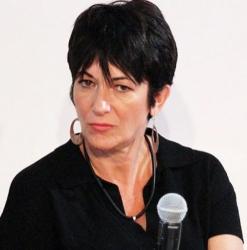
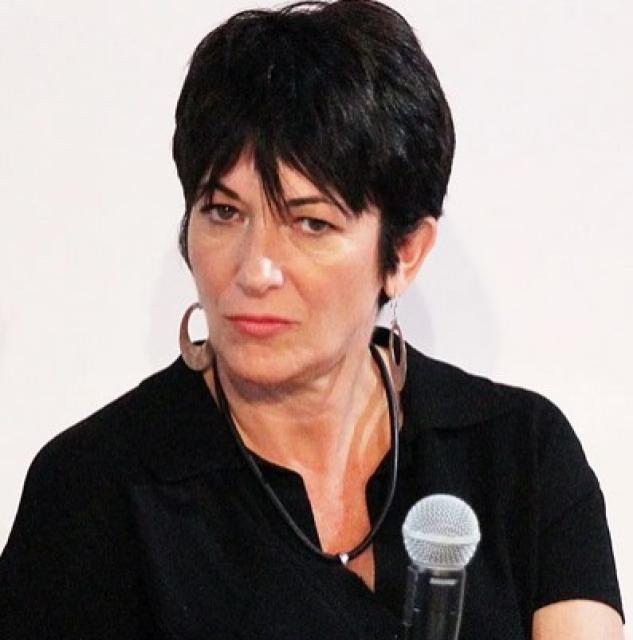
Ghislaine Maxwell moved for years through elite social circles on both sides of the Atlantic. The daughter of a powerful British media magnate, she became a close associate of Jeffrey Epstein and was eventually convicted in the United States for her role in recruiting and trafficking underage girls for sexual abuse. Her rise from high society to federal prison has made her one of the most scrutinized figures in the Epstein case.
Family Background and Education
Ghislaine Noelle Marion Maxwell was born on 25 December 1961 in Maisons-Laffitte, France, the youngest of nine children of British publisher Robert Maxwell and his wife, Elisabeth. She grew up largely in Oxford, where the family lived at Headington Hill Hall, a grand home that also housed offices associated with her father’s publishing business. She attended Oxford’s Balliol College and studied modern history.
Her father built an international publishing empire and became a prominent public figure, but his fall in 1991 abruptly changed the family’s fortunes. Robert Maxwell disappeared from his yacht, the Lady Ghislaine, and was later found dead in the sea near the Canary Islands. The official cause was drowning, with a heart attack also recorded. After his death, investigations revealed that hundreds of millions of pounds had been taken from company pension funds. The collapse of his business empire left the family facing financial and reputational upheaval.
Life in London and New York
Maxwell had worked in her father’s media world and moved among influential figures in Britain. After his death she relocated to the United States. In the early 1990s she met financier Jeffrey Epstein, with whom she had a personal relationship and later a working association. She helped manage aspects of his household and social life, including staffing his residences, while continuing to cultivate connections in wealthy and political circles.
For years she appeared in society coverage as a polished, well-connected hostess. That image later became inseparable from the criminal case against her. Prosecutors described her as an organizer who used her access and social confidence to gain the trust of young girls and bring them into Epstein’s orbit. Maxwell denied knowing that Epstein was sexually abusing minors and maintained her innocence.
The Criminal Case
Federal investigators arrested Maxwell in New Hampshire in July 2020 after she had spent months out of public view. Her trial in New York began in 2021. Four women testified that she had groomed them as teenagers and facilitated their abuse by Epstein. The defense challenged the witnesses’ accounts and argued that Maxwell was being unfairly held responsible for Epstein’s conduct.
On 29 December 2021, a jury found Maxwell guilty on five federal counts involving sex trafficking, transporting minors for illegal sexual activity and conspiracy; she was acquitted on one count. In June 2022, the court sentenced her to 20 years in prison. The Second Circuit upheld her conviction and sentence in 2024, and the U.S. Supreme Court declined to hear her appeal in 2025. A later post-conviction challenge was denied by a federal judge in August 2026.
Later Years and Current Status
In August 2025, Maxwell was transferred from a federal prison in Florida to the Federal Prison Camp in Bryan, Texas, where she continued serving her sentence. The transfer drew public scrutiny because it placed her in a lower-security facility. As of 2026, she remains in federal custody.
Legacy and Public Image
Maxwell’s public story is defined by the sharp break between inherited privilege and criminal accountability. Her name once signaled access to powerful networks; today it is closely associated with the victims whose testimony helped establish her role in Epstein’s abuse. The courts have rejected her appeals and post-conviction challenge, while she continues to assert that she is innocent. Her case remains central to wider questions about how wealth, influence and social status can shield abuse—and how survivors can finally be heard.