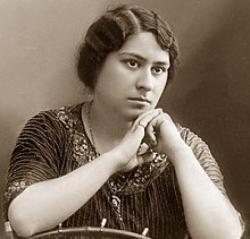
Giatsint Rigo
 France
- Hyacinthe Rigaud: A Master of French Portraiture
- A Courtly Career in Paris
- The Reign of Louis XIV
- The Hallmarks of Rigaud's Portraiture
- A Master of Realism
- Predominantly a Portraitist of Men
- The Portrait of Cardinal Dubois
- Legacy and Impact
Hyacinthe Rigaud: A Master of French Portraiture
Hyacinthe Rigaud (1659-1743) emerged as one of the most renowned masters of French portraiture during the transition from the 17th to the 18th century.
A Courtly Career in Paris
Born in Southern France, Rigaud apprenticed under the lesser-known painter Paul Puget before moving to Paris. There, he quickly established himself as a successful court portraitist.
The Reign of Louis XIV
Rigaud's art flourished under the reign of Louis XIV, known as the "Sun King." Louis XIV, who held absolute power, invested heavily in the arts.
The Hallmarks of Rigaud's Portraiture
Influenced by Baroque aesthetics, Rigaud's portraits showcased his subjects in grandeur. He employed dramatic lighting, vibrant colors, and exaggerated gestures to convey their power and importance.
A Master of Realism
Despite the ceremonial nature of his work, Rigaud remained committed to portraying his subjects with remarkable accuracy. His ability to balance grandeur with realism earned him the respect of his contemporaries.
Predominantly a Portraitist of Men
Rigaud primarily focused on depicting men, avoiding female models. He believed that painting women realistically would displease them, while flattering portraits would inaccurately represent their appearance.
The Portrait of Cardinal Dubois
One striking example of Rigaud's style is the portrait of Cardinal Guillaume Dubois. Dubois, a controversial figure known for his cunning and ambition, is depicted in all his regalia. Rigaud captures both the grandeur of his position and the shrewdness in his eyes.
Legacy and Impact
Hyacinthe Rigaud's portraits continue to captivate viewers today. His ability to blend opulence with realism has secured his place as a master of French art and a testament to the glittering era of Louis XIV.