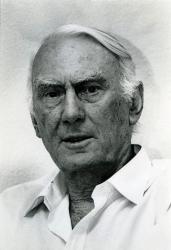
Giovanni Giolitti
 Italy
ItalyBiography of Giovanni Giolitti
Giovanni Giolitti was an Italian political figure who played a significant role in Italian politics during the late 19th and early 20th centuries. He was born on October 27, 1842, in Mondovì, Italy.
Political Career
From 1882 to 1924, Giolitti was elected multiple times to the Chamber of Deputies and served as Prime Minister on several occasions. He held the office from 1892 to 1893, 1903 to 1905, 1906 to 1909, and 1911 to 1914. Giolitti aimed to gain the support of the reformist faction of the labor movement and included socialists in his government. He implemented liberal reforms, legalized labor organizations, recognized workers' rights to strike in 1901, and introduced universal male suffrage in 1912.
Foreign Policy
Giolitti led Italy into the Triple Alliance but also established friendly relations with France. He also initiated the annexation of Libya. In 1914, Giolitti won the elections but resigned due to "health reasons," although he believed he could return to power if necessary. He attempted to prevent Italy's entry into World War I and led the camp advocating for Italian neutrality.
Decline and Opposition
The significant success of the People's Party and socialists in the 1919 elections caused Giolitti to change his pre-war political tactics. As a result, his last term as Prime Minister was brief, lasting from June 15, 1920, to July 4, 1921. His appeasement towards the fascists did not help restore his authority, and in 1921, he was forced to resign. Initially, like most pre-war politicians, Giolitti flirted with the fascists, but after the murder of Matteotti, he joined the opposition and spoke out against totalitarian rule.
Death
Giovanni Giolitti passed away on July 17, 1928, in Cavour, Italy. Despite his controversial political maneuvering, Giolitti left a lasting impact on Italian politics and is remembered as a skilled leader of democratic orientation.