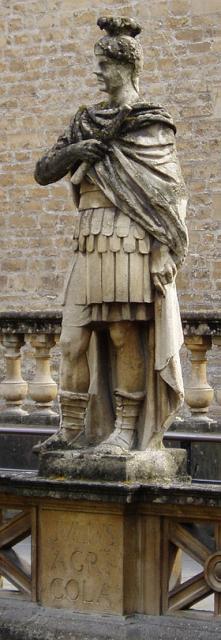
Gnaeus Julius Agricola
 Italy
Italy- Biography of Gnaeus Julius Agricola
- Early Life and Military Service
- Political Career
- Command in Britain
- Final Years and Legacy
Biography of Gnaeus Julius Agricola
Gnaeus Julius Agricola was a Roman military commander and politician, born on June 13, 40 AD, into a senatorial family. His father, Julius Gracinus, was an excellent orator but was executed by Caligula for refusing to deliver a prosecution speech against Marcus Junius Silanus. Agricola spent his childhood in Massilia with his mother, Julia Priscilla.
Early Life and Military Service
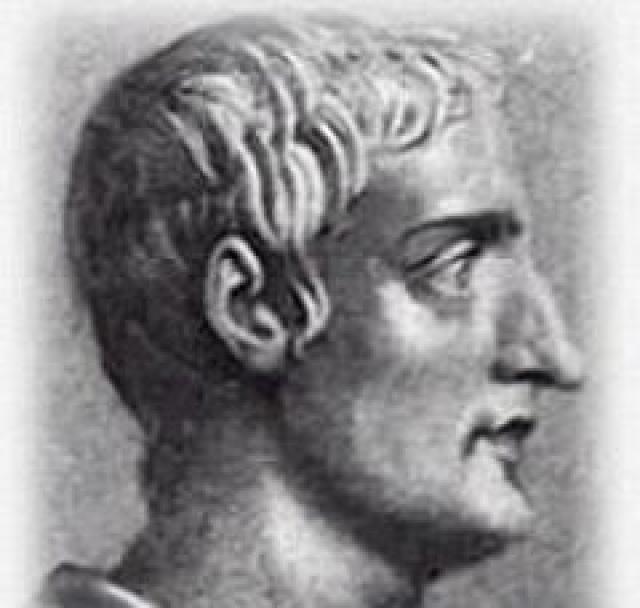
As the son of a senator, Agricola was required to serve in the military as a military tribune before starting his political career. In 59 AD, he participated in his first campaign in Britain and took part in suppressing the rebellion led by Boudicca. After returning to Rome, Agricola married Domitia Decidiana, a marriage that brought him honor and influential support.
Political Career
During the years leading up to the civil war that followed the death of Emperor Nero, Agricola remained relatively unnoticed, without any particular ambition for fame or excessive wealth. In early 69 AD, his estate in Liguria was plundered by marauding sailors loyal to Otho, resulting in the death of his mother, Julia Priscilla. Hearing about Vespasian's uprising, Agricola decided to support him.
Command in Britain
In 71 AD, Agricola was appointed to command a legion in Britain. There, he demonstrated excellent diplomatic qualities and military leadership. In 77 AD, he was promoted to the consulship and in 78 AD, he served as consul in Britain, where he displayed extraordinary activity as both a military commander and administrator. He not only strengthened Roman rule in this remote province but also expanded it to the Caledonian Highlands.
Final Years and Legacy
In the summer of 84 AD, Gnaeus Julius Agricola defeated the numerically superior army of the Caledonians in the Battle of the Grampian Mountains. Following this victory, he was recalled to Rome and subsequently did not receive any further appointments. Historians attribute this to envy from Emperor Domitian. Speculation about his assassination emerged after his unexpected death on August 23, 93 AD.
Despite his untimely demise, Agricola's military successes and administrative reforms in Britain left a lasting impact. His ability to unite diplomacy and military strategy played a crucial role in securing and expanding Roman rule in the region.