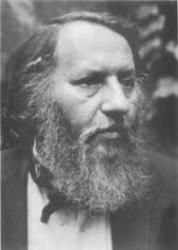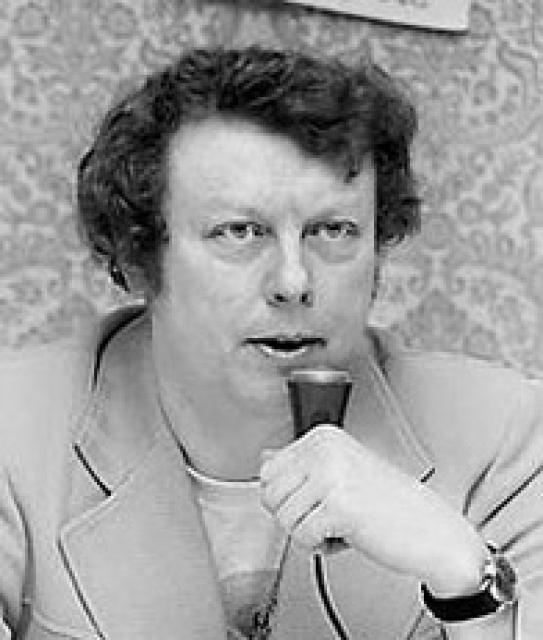
Gordon Dickson
 Canada
Philip K. Dick
Philip K. Dick (1928-1982) was an American science fiction writer renowned for his groundbreaking contributions to the genre. He was the recipient of one Nebula Award and three Hugo Awards, solidifying his place as one of the most influential science fiction authors of all time.
Early Life and Career
Dick was born in Chicago, Illinois, in 1928. He had a difficult childhood marked by the early death of his father and the mental illness of his mother. Despite these challenges, Dick developed a passion for writing at a young age. He began publishing short stories in science fiction magazines in the early 1950s, and his first novel, "Solar Lottery," was published in 1955.
Major Works
Dick is best known for his novels and short stories that delve into the complexities of human nature, identity, and the nature of reality. Some of his most famous works include:
- "Do Androids Dream of Electric Sheep?" (1968), which was later adapted into the iconic film "Blade Runner."
- "The Man in the High Castle" (1962), which imagines an alternate history in which the Nazis won World War II.
- "Ubik" (1969), which explores the boundary between life and death in a dystopian future.
Literary Themes
Dick's writing is characterized by recurring themes that reflect his own experiences and philosophical beliefs. These include:
- Paranoia and conspiracy theories
- The unreliable nature of reality- The search for meaning in an ever-changing world
- The duality of human nature
Influence and Legacy
Dick's work has had a profound impact on science fiction and beyond. His novels and short stories have been translated into dozens of languages and have been adapted for film, television, and other media. His ideas and themes continue to inspire and provoke thought in readers around the world, cementing his legacy as one of the greatest science fiction writers of the 20th century.