
Guenter Grass
 Poland
Gunter Grass: Biography
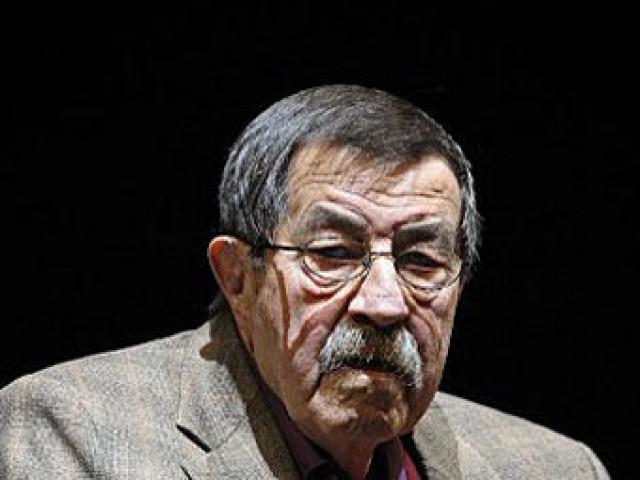
Gunter Grass, a writer and Nobel laureate (1999), was born in 1927 in Danzig, in a Polish-German family. His first poems appeared in print in 1955, but he gained worldwide fame with his famous novel "The Tin Drum" (1959), which became part of the satirical panorama of Germany in the first half of the 20th century - the so-called Danzig Trilogy.
Early Life and Career
From 1956 to 1959, Grass lived in Paris, engaging in various genres of literature, music, sculpture, painting, and graphic art. This "Renaissance" versatility of Grass's talents later manifested itself in the fact that all of his books are illustrated by himself. His novel "The Tin Drum" (1959) brought him international recognition, reflecting the satire of Germany in the first half of the 20th century.
Notable Works
In the novel "Dog Years" (1963), Nazism, war, and the first post-war years of West Germany are depicted. The novella "Cat and Mouse" (1961) portrays the tragedy of a generation deceived by Nazism. The play "Before" (1968) attempts to make sense of the events related to the West German youth movement and is also used as a plot for the novel "Local Anaesthetic" (1969).
Political Activism and Later Works
Starting from the 1960s, when Gunter Grass actively participated in the electoral campaign of the Social Democratic Party of Germany and its leader Willy Brandt, his sphere of interests expanded to include political activities. His book "Mein Jahrhundert" ("My Century"), not yet translated into Russian, presents a century of one hundred novellas, each offering Grass's personal perspective on the history of the 20th century.
Some of his later books include "Im Krebsgang" and "Beim Häuten der Zwiebel" ("Peeling the Onion"). Gunter Grass was also a recipient of the Georg Büchner Prize in 1965. In 1999, he was awarded the Nobel Prize for Literature.


