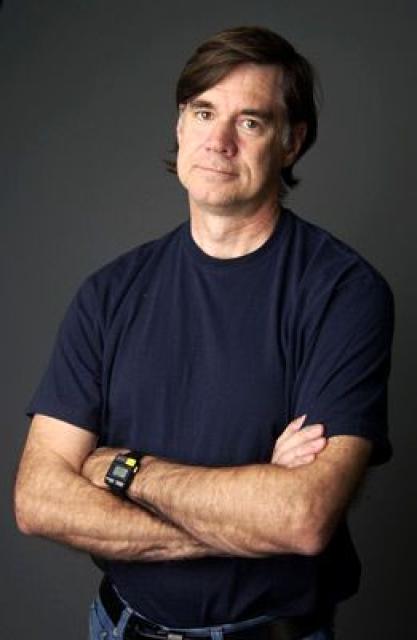
Gus Van Sant, Jr.
 USA
USA- Gus Van Sant: Visionary American Filmmaker
- Education and Artistic Journey
- Breaking into Filmmaking
- Critical Success and Hollywood Breakthrough
- Tragedy and Personal Loss
- Independent Success and Artistic Triumph
- Later Recognition and Beyond
- Legacy and Artistic Impact
Gus Van Sant: Visionary American Filmmaker
Early Life and Formative YearsGus Van Sant was born on July 24, 1954, in Louisville, Kentucky, to a wealthy family of Dutch descent. His father's occupation in textile sales resulted in frequent moves until the family settled in Portland, Oregon. From a young age, Van Sant exhibited a passion for drawing and filmmaking, creating short films on an amateur camera.
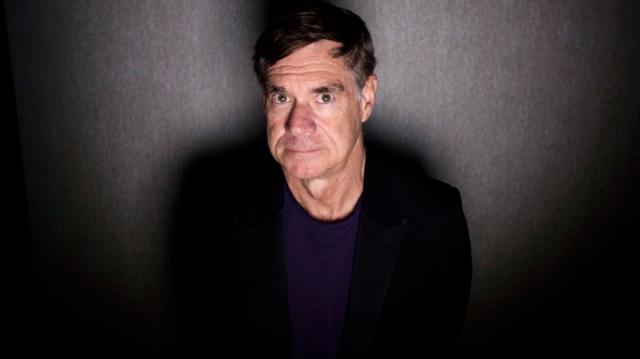
Education and Artistic Journey
In 1970, Van Sant enrolled in the Rhode Island School of Design but soon realized his calling lay in cinema. After five years of study, he embarked on a European journey. In 1976, Van Sant relocated to Los Angeles, where he worked as an assistant to director Ken Shapiro. After relocating to New York City, he gained experience shooting commercials for an advertising agency.
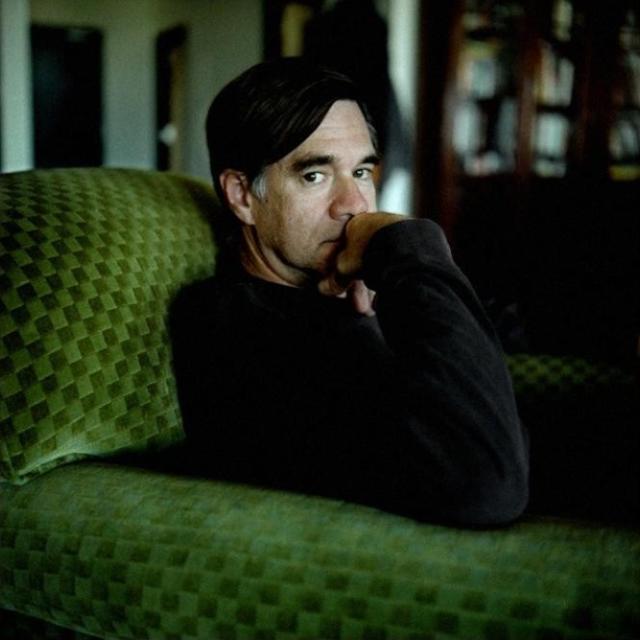
Breaking into Filmmaking
In 1985, with $20,000 saved, Van Sant ventured into filmmaking. His debut feature, "Mala Noche," explored the forbidden love between a Mexican immigrant and a liquor store clerk. The black-and-white gay drama met critical acclaim and won several awards, including the Toronto International Film Festival.
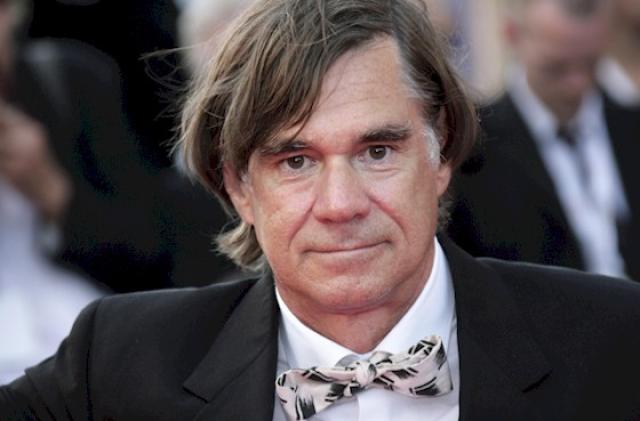
Critical Success and Hollywood Breakthrough
Van Sant's subsequent films, "Drugstore Cowboy" (1989) and "My Own Private Idaho" (1991), cemented his reputation. "My Own Private Idaho," a poignant road movie starring River Phoenix and Keanu Reeves, received international acclaim and transformed Van Sant into a cinematic icon. Phoenix's performance earned him the Best Actor prize at the Venice Film Festival.

Tragedy and Personal Loss
After the tragic death of Phoenix from a drug overdose, Van Sant dedicated his next film, "Even Cowgirls Get the Blues" (1993), to his memory. The film explored themes of friendship, loss, and the search for identity.

Independent Success and Artistic Triumph
In 1998, Van Sant released "Good Will Hunting," which garnered over $200 million at the box office and won an Oscar for Best Original Screenplay. After a disappointing remake of Hitchcock's "Psycho," Van Sant returned to independent filmmaking with his "Death Trilogy": "Gerry" (2002), "Elephant" (2003), and "Last Days" (2005). "Elephant," a haunting and confrontational portrayal of a school shooting, was particularly acclaimed, receiving the Palme d'Or at the Cannes Film Festival.
Later Recognition and Beyond
In 2008, Van Sant directed "Milk," a biographical drama about Harvey Milk, the first openly gay politician elected in the United States. The film won an Oscar for Best Original Screenplay and earned Sean Penn the Best Actor award. Despite critical success, Van Sant's later films have faced mixed reactions.
Legacy and Artistic Impact
Gus Van Sant is widely regarded as one of the most influential contemporary filmmakers. His body of work is characterized by its exploration of themes of alienation, identity, sexuality, and the power of storytelling. Van Sant's films often feature characters from marginalized communities, bringing visibility and empathy to their experiences. Through his use of unconventional techniques, improvisation, and fearless artistry, he has challenged cinematic conventions and pushed the boundaries of filmmaking.




