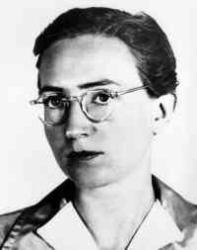
Gyul Alpari
 Hungary
- Early Life and Involvement in Socialism
- Leadership in the Youth International
- Expulsion from Social Democratic Party
- Role in the Hungarian Soviet Republic
- Exile and Role in the Communist International
- Imprisonment and Death
Early Life and Involvement in Socialism
Gyula Alpari was born into a Hungarian political family and began his involvement in politics and journalism at a young age. In 1901, he joined the Social Democratic Party of Hungary and immersed himself in the study of socialist theory. By 1902, he was actively participating in the youth labor movement, translating the works of influential socialist figures.
Leadership in the Youth International
In 1907, Alpari became a prominent figure in the Hungarian youth worker movement. Alongside Karl Liebknecht, he played a key role in establishing the Socialist International of Youth and participated in its founding congress in Stuttgart.
Expulsion from Social Democratic Party
Alpari's outspoken criticism of the right-wing leadership of the Social Democratic Party of Hungary led to his expulsion in 1910. He continued to advocate for a communist party and published in left-socialist newspapers in Leipzig and Budapest.
Role in the Hungarian Soviet Republic
After the outbreak of World War I, Alpari vehemently opposed the war and welcomed the Russian Revolutions. With the establishment of the Hungarian Soviet Republic, he joined the Communist Party of Hungary and became Deputy Commissar for Foreign Affairs under Béla Kun.
Exile and Role in the Communist International
Following the collapse of the Hungarian Red Army, Alpari went into exile. He helped establish the Communist Party of Czechoslovakia and lived in various countries, often under assumed identities. During this time, he actively participated in the Communist International, editing its publications.
Imprisonment and Death
In 1932, Alpari settled in France, where he continued his journalistic work. After the German occupation of Paris, he was captured by the Gestapo and sent to a series of concentration camps. Gyula Alpari met his tragic end in the Sachsenhausen concentration camp on July 17, 1944.