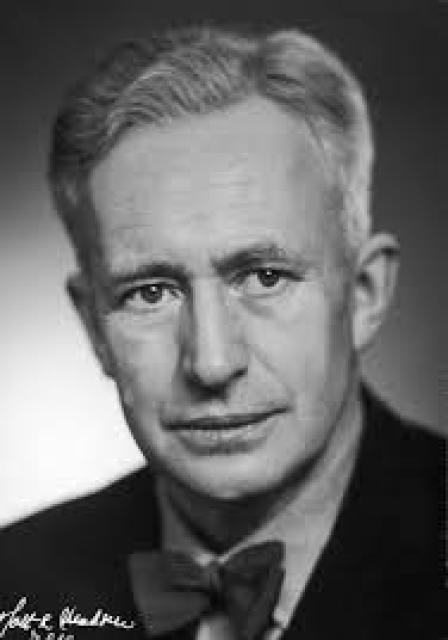
Hans Christian Branner
 Denmark
- Early Life and Education
- Literary Debut and Early Work
- Psychological and Realistic Writing
- "No One Knows the Night" and Literary Stardom
- Later Career
- Legacy and Death
Early Life and Education
Hans Edvard Branner was born on 23 June 1903, in Ordrup, Denmark, to a teacher. He graduated from high school in 1921 and pursued various occupations before establishing his career as a writer.
Literary Debut and Early Work
Branner made his literary debut in 1936 with the novel "Toys." In 1937, he published "The Child Plays on the Shore," followed by the short story collection "Soon We Will Be Gone" in 1939. His novel "The Dream of a Woman" (1941) and the short story collection "Two Minutes of Silence" (1944) further enriched his literary output.
Psychological and Realistic Writing
In the postwar era, Branner's work became characterized by its psychological exploration and social commentary. His 1949 novel "The Rider" and its subsequent play adaptation (1952) delved into the human psyche. His 1952 play "Brothers and Sisters" tackled themes of sibling rivalry and family dynamics.
"No One Knows the Night" and Literary Stardom
Branner's literary masterpiece, "No One Knows the Night," was published in 1955. This existential novel, grappling with the complexities of human life and the search for meaning, garnered significant critical acclaim. Branner acknowledged the influence of Knut Hamsun and Sigmund Freud in shaping his work.
Later Career
In the 1950s and 1960s, Branner continued to write plays and short stories, including "Thermopylae" (1958) and the collection "Ariel" (1963). These works further explored the themes of alienation, social conformity, and the search for purpose.
Legacy and Death
Branner's prolific and thought-provoking contributions to Danish literature earned him recognition and numerous awards. He died on 23 April 1966, in Copenhagen, leaving an enduring legacy as a writer who captured the complexities of the human condition amidst the social and existential challenges of his time.


