
Hector Zazou
 France
Biography of Hector Zazou
Hector Zazou was a renowned French musician, composer, and music producer who collaborated with a vast number of artists, including some of the biggest celebrities in the world. He released his own albums and contributed to the creation of albums by Björk, Jane Birkin, Suzanne Vega, Brian Eno, Peter Gabriel, Asia Argento, Gérard Depardieu, DJ Khaled, Manu Dibango, Lisa Germano, and many others. Zazou was an incredibly prolific composer, known for his eclectic music. He fearlessly blended ethnic music from around the world, including Africa and Asia, with classical and electronic music and various types of rock, showcasing his passion for unexpected combinations.
Early Life and Career
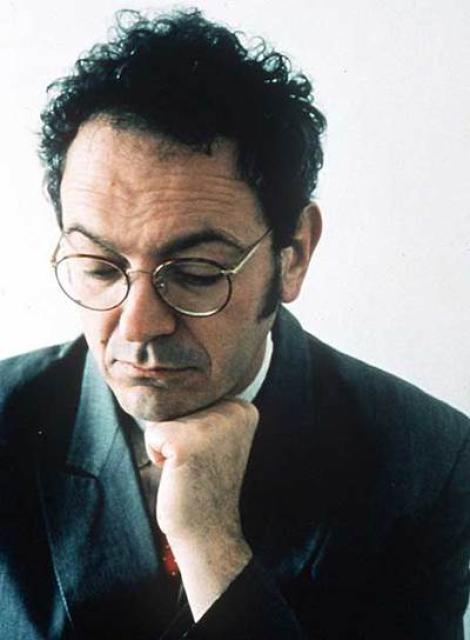
Hector Zazou was born on July 11, 1948, in Sidi Bel Abbès, a major city in northwestern Algeria when Algeria was still under French rule. His father was French, and his mother was Spanish. In the 70s, Zazou gained attention as part of the duo 'ZNR' alongside Joseph Racaille, both of whom played keyboards. Their debut album in 1976, 'Barricades 3,' was heavily influenced by Erik Satie, the most extravagant of French composers. Throughout his career, Zazou collaborated with a wide range of colleagues, including trumpeter Mark Isham, guitarist Lone Kent, singer and cellist Caroline Lavelle, trumpeter Christian Lechevretel, clarinetist and flutist Renaud Pion, drummer Bill Rieflin, and Japanese musician Ryuichi Sakamoto.
Musical Style and Discography
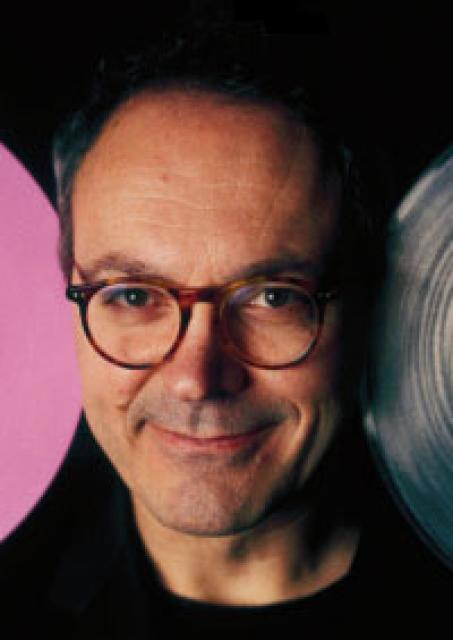
Zazou's discography demonstrates his affinity for cross-cultural collaboration and the fusion of contemporary techniques and sounds with more traditional material. For example, his album 'Les Nouvelles Polyphonies Corses' in 1991 combines traditional and modern, electronic and acoustic music and clearly shows the influence of Peter Gabriel's 'Passion: Music for The Last Temptation of Christ.' His groundbreaking album in 1983, 'Noir et blanc,' recorded with Congolese singer Bony Bikaye, garnered significant interest from critics and musicians worldwide as one of the first successful experiments in combining African and electronic music.
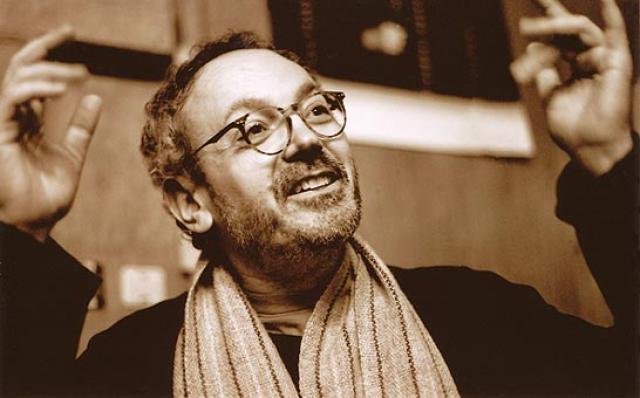
In the 80s, as Zazou began to explore ethnic music, he considered those years as his apprenticeship in the studio. The album 'Reivax au Bongo' in 1986 sought to combine classical vocals with electronic backgrounds, while 'Géologies' in 1989 presented the unexpected combination of electronic music with a string quartet. From the 90s onwards, Zazou's albums, released under his own name, were typically concept albums rooted in literature or folklore and revolved around specific themes. Each album's songs showcased a wide range of influences, including classical, ethnic, pop, folk, and avant-garde music.

Some notable albums include 'Sahara Blue' in 1992, which paid tribute to Arthur Rimbaud by setting his poems to music. Collaborators on this album included Gérard Depardieu, Dominique Dalcan, Brendan Perry, and Lisa Germano. During the recording, Zazou even adapted a traditional Ethiopian song. In 1994, he released the album 'Chansons des mers froides,' which focused on maritime themes from traditional folk songs of countries such as Canada, Finland, Iceland, and Japan, complemented by lullabies and shamanic chants from the Ainu, Eskimo, Nanai, and Yakut cultures. His 1998 album 'Lights in the Dark' delved into ancient Celtic music, featuring Irish singers.
Zazou's final project was the album 'House of Mirrors,' released on 'Crammed Discs.' It offered a fresh interpretation of classic Asian music, subtly transformed with influences from the musical trends of the 70s inspired by Terry Riley and Brian Eno. 'House of Mirrors' was recorded in Mumbai, featuring exceptional instrumentalists from India and Uzbekistan, as well as guest musicians such as Spanish pianist Diego Amador and Norwegian trumpeter Nils Petter Molvær. The album was released a few weeks after Zazou's passing on September 8, 2008.


