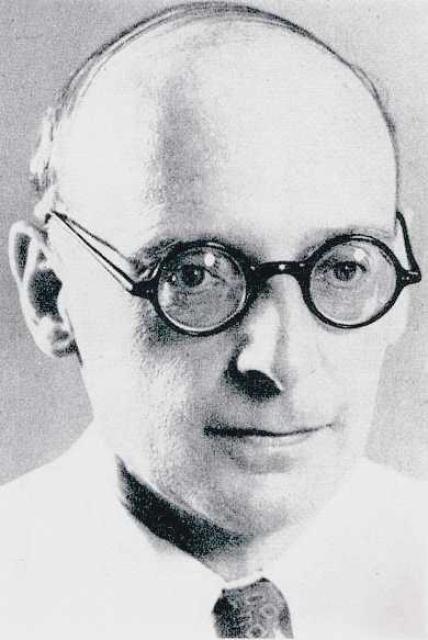
Paul Ben-Haim
 Israel
- Paul Ben-Haim: An Israeli Musical Pioneer
- Early Career in Germany
- Emigration to Palestine
- Influential Pedagogy and Composition
- Major Compositions
- Legacy and Influence
- Recognition and Awards
Paul Ben-Haim: An Israeli Musical Pioneer
Early Life and EducationPaul Ben-Haim, born in Munich in 1897, showed an aptitude for music from a young age. From 1915 to 1920, he studied at the Munich Academy of Music and the University of Munich, where his mentors included Friedrich Klose, Walter Courvoisier, Hugo Röhr, and Berthold Kellerman.
Early Career in Germany
Ben-Haim began his career as an opera conductor in Augsburg from 1924 to 1931. During this time, he honed his skills under the tutelage of Bruno Walter and Hans Knappertsbusch.
Emigration to Palestine
In 1933, following the rise of Nazism in Germany, Ben-Haim visited Palestine (later Israel) for a series of concerts. It was during this trip that he changed his last name from the German "Ben-Haim-Sulzer" to the more Hebrew-sounding "Ben-Haim." Upon returning to Germany, he found an invitation to a musicians' meeting with the note "Jews are not welcome" crossed out and replaced with "Please come despite what is printed." This incident prompted Ben-Haim to leave Germany for Palestine permanently.
Influential Pedagogy and Composition
In Israel, Ben-Haim became an influential педагоg, concertmaster, and conductor. As a composer, he made significant contributions to Israeli music. Inspired by the melodies of Yemenite Jews, he pioneered the "Mediterranean style," which incorporated elements of Eastern folklore into Western musical forms.
Major Compositions
Ben-Haim's musical output included two symphonies from the war years (1940, 1945), as well as the "Sweet-Voiced Psalmist of Israel" (1953). He also wrote concertos for piano (1949), violin (1960), and cello (1962) with orchestra.
Legacy and Influence
Ben-Haim's work as a composer and educator left an enduring legacy on Israeli music. His Mediterranean style became dominant in the 1950s, influencing composers such as A.-U. Boskovich and Mark Lavry. Among his notable students were Tzvi Avni, Ami Maayani, Ben-Zion Orgad, Noam Sheriff, and Eliahu Inbal.
Recognition and Awards
Throughout his career, Ben-Haim received numerous awards and accolades for his contributions to Israeli culture. In 1951, he was awarded the prestigious Israel Prize for Music.


