Heinrich Agrippa
 Germany
- Heinrich Cornelius Agrippa: A Renowned Occultist and Theologian
- Academic Pursuits and Occult Expertise
- Wanderings and Theological Debates
- "De Occulta Philosophia" and its Legacy
- Later Writings and Death
- Ambiguous Legacy
Heinrich Cornelius Agrippa: A Renowned Occultist and Theologian
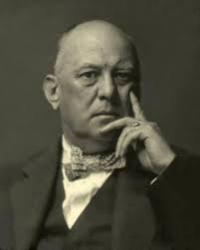
Early Life and ControversiesHeinrich Cornelius Agrippa, better known simply as Agrippa, was a renowned German occultist, theologian, astrologer, and alchemist. Born in Cologne, Agrippa faced frequent accusations for his outspoken criticism of governmental institutions and unorthodox religious views. Despite these controversies, he continued to pursue his interests in exploring forbidden knowledge and compiling comprehensive works on the occult.

Academic Pursuits and Occult Expertise
In 1512, Agrippa lectured at the University of Dole in Burgundy on Johann Reuchlin's "De Verbo Mirifico." This eventually led to his dismissal and condemnation as a "Judaizing heretic." After a blistering response to his accusers, he sought collaboration with Johannes Trithemius. Agrippa initiated the development of his magnum opus, "De Occulta Philosophia Libri Tres," which would become a foundational text in occult thought.
Wanderings and Theological Debates
Agrippa embarked on extensive travels throughout Europe, earning a livelihood as a theologian, medic, lawyer, and even a soldier. He served under Maximilian I in Italy, but his primary focus remained occult investigations and complex theological-legal controversies. His habit of questioning established beliefs drew accusations of heresy, but he managed to avoid severe punishments.
"De Occulta Philosophia" and its Legacy
Agrippa's most celebrated work, "De Occulta Philosophia Libri Tres," was published in 1533. It was a vast compilation of occult knowledge that sought to reconcile natural and divine realms through Neoplatonic principles. Agrippa argued for a holistic approach to magic, which he believed could address the epistemological crisis caused by skepticism.
Later Writings and Death
Agrippa also wrote extensively on skepticism and the superiority of women in "De Incertitudine et Vanitate Scientiarum atque Artium Declamatio Invectiva" and "Declamatio de Nobilitate et Praecellentia Foeminei Sexus." He died in Grenoble on February 18, 1535, at the age of 48.
Ambiguous Legacy
Agrippa's legacy remains both celebrated and controversial. While regarded as a pioneer in occult thought, his perceived association with black magic has cast a shadow over his reputation. However, many scholars believe his denunciations of magic were directed against prevailing misconceptions rather than the practice itself.