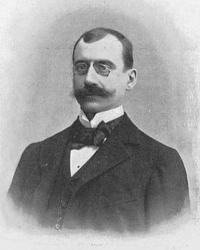
Heinrich Ilgen
 Germany
- Johann Georg Ilgen: A Master of Diplomacy in the Shadows
- Rise to Prominence
- Political Contributions
- External Policy Architect
- A Controversial Figure
Johann Georg Ilgen: A Master of Diplomacy in the Shadows
Johann Georg Ilgen, a German diplomat of the 17th century, played a pivotal role in Prussia's political landscape. Through the patronage of Gottfried Wilhelm Leibniz, he secured a position as an attaché to the Prussian embassy in Paris.
Rise to Prominence
Upon his return to Berlin in 1678, Ilgen joined the chancellery of Elector Frederick William I. Despite holding an inconspicuous post, he wielded considerable influence. As the architect of Prussia's internal and external policies, Ilgen orchestrated the affairs of state behind the scenes while allowing others to bask in the limelight.
Political Contributions
During the Great Northern War, Ilgen handled almost all political correspondence. He is credited with implementing judicial reforms, reorganizing the management of royal domains, and even contributing to military improvements. Notably, he advocated for an alliance with King Charles XII of Sweden.
External Policy Architect
Ilgen's responsibilities extended to conducting foreign policy, a task he executed with skill. However, the growing influence of Count von Seckendorff on the king filled him with anxiety. He resented the shift in policy, but his sudden death cut short his opposition.
A Controversial Figure
Ilgen exemplified the diplomatic archetype of the 17th century. His contemporaries accused him of duplicity and evasiveness, but there is little doubt that he was a master manipulator. He left an enduring mark on Prussian politics, shaping the course of its internal and external affairs.