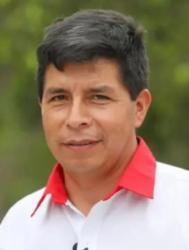
Hitoshi Ashida
 Japan
Japan- Political Beginnings and Diplomatic Career
- Vocal Critic and Political Activism
- Post-War Cabinet Positions
- Premiership and Resignation
- Later Life and Legacy
Political Beginnings and Diplomatic Career
Asida Ritō, born on November 15, 1897, in Fukuyama, Kyoto, pursued a degree in French civil law at Tokyo Imperial University after graduating from Kashiwabara High School in 1904. Upon graduating in 1912, Asida embarked on a diplomatic career, serving in Japanese embassies in Russia, France, Turkey, and Belgium.
Vocal Critic and Political Activism
In 1932, Asida resigned from the Ministry of Foreign Affairs in protest against Japan's involvement in the war with China. He was elected to the House of Representatives the same year and joined the Rikken Seiyūkai Party. Asida became a prominent opponent of military intervention in politics and served as the chief editor of The Japan Times and Mail from 1933 to 1939.
Post-War Cabinet Positions
Following the war, Asida joined Kijūrō Shidehara's cabinet as Minister of Health and Welfare. He co-founded the Liberal Party in 1945 and became chairman of the Constitutional Revision Bill Drafting Committee. Asida's efforts resulted in the inclusion of a provision in the new constitution that lifted the absolute ban on Japan maintaining armed forces.
Premiership and Resignation
In 1947, Asida joined the Democratic Party, formed through the merger of the Liberal and Progressive parties. He became its president and served as deputy prime minister and foreign minister in Tetsu Katayama's cabinet. After Katayama's resignation, Asida became prime minister in March 1948. However, his tenure was cut short by a major corruption scandal known as the Shōwa Denko Affair. The scandal led to his resignation in October 1948.
Later Life and Legacy
Despite the corruption allegations, Asida remained politically active in the Democratic Party. He joined the newly formed Liberal Democratic Party in 1955 as an advisor and passed away on June 20, 1959, at the age of 71. Asida's tenure as prime minister was marred by the scandal, but he is remembered for his contributions to the drafting of Japan's post-war constitution.