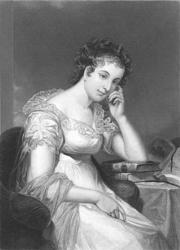
Iakov Abramov
 Russia
- Early Life and Education
- Literary and Publicistic Career
- Statistical and Journalistic Work
- Leading Figure of "Abramovshchina"
- Later Career and Legacy
- Legacy and Impact
Early Life and Education
Yakov Vasilyevich Abramov, also known by the pseudonym Fedoseyevets, was born in 1858 in Stavropol-Kavkazsky, into a middle-class family. He pursued his studies at the Medico-Surgical Academy but was forced to leave in 1878 due to his involvement in the "case of distributing criminal content books." He was subsequently exiled from Saint Petersburg.
Literary and Publicistic Career
Upon his return to Saint Petersburg in 1881, Abramov published two stories, "Among the Sectarians" and "The Bourgeois Thinker," in the magazine "Slovo." He then joined the staff of "Otechestvennye Zapiski," where he actively contributed until its closure in 1884. His work during this period included stories, articles on religious sects, and essays on social and economic issues. Abramov also played a role in the journal "Ustoi," founded by S.A. Vengerov, and collaborated with the magazine "Delo."
Statistical and Journalistic Work
After the closure of "Otechestvennye Zapiski," Abramov worked for the statistical bureau of the Saint Petersburg zemstvo, compiling statistical descriptions of the Schlüsselburg and Saint Petersburg districts (1884-86). In 1885, he became a significant contributor to the journal "Severny Vestnik," writing articles and a major work entitled "Needs, Desires, and Aspirations of the Classes in the Era of the Catherine Commission" (1886).
Leading Figure of "Abramovshchina"
In the mid-1880s, Abramov emerged as a prominent figure in the magazine "Nedelya," where he became an advocate for a movement known as "Abramovshchina." His writings argued that society should abandon ambitious social reforms and instead focus on "small deeds" and "quiet cultural work." This message resonated with the disillusioned society of the time and contributed to the popularity of "Nedelya."
Later Career and Legacy
As public sentiment shifted in the 1890s, Abramov's influence declined. He gradually withdrew from publicism and focused on issues related to popular education. He published a number of popular books and biographies, including "The Newest Advances in Knowledge" and "Life Stories of Famous Scientists." In his later years, Abramov collaborated with the journal "Russkaya Shkola" and other publications. He died in 1906, largely forgotten.
Legacy and Impact
Abramov's writings played a significant role in Russian public discourse during the late 19th century. His advocacy for "Abramovshchina" had a profound impact on the intellectual and political landscape of the period. Despite his later decline in prominence, Abramov's contributions to Russian literary and social thought remain notable and continue to be studied by scholars today.