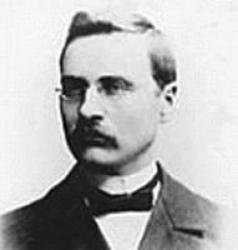
Ibn Duraid
Ibn Doreid: Arab Philologist and Poet
Early Life and EducationIbn Doreid was born and educated in Basra. He spent time studying in Persia and later moved to Baghdad, where he received a pension from the Caliph.
Philological Works
Ibn Doreid's most significant philological work was "Ishtiqaq," a two-volume treatise on Arabic genealogy and etymology. It was translated into German by Wüstenfeld as "Ibn Doreid's genealogisch-etymologisches Handbuch" (1853-1854). Another philological work, "Kitab al-Malahin," examined idioms in Arabic and was edited by G. Torbecke in 1882.
Poetic Accomplishments
Ibn Doreid was also a renowned poet. His most celebrated work was the "Elegie" ("El-Qasidet al-Maqsura"), a poignant lamentation on the transience of life and the vagaries of fate. It was widely circulated in the East and has been published in various anthologies without a title. In Europe, it was published as "Carmen Macsura" in Copenhagen in 1828.
Legacy
Ibn Doreid's contemporaries hailed him as "the most learned of poets and the most poetic of scholars." His philological contributions significantly advanced the study of Arabic language, while his poetic works continue to resonate with readers today.