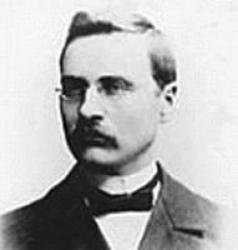
Wolfgang Iser
 Germany
- Wolfgang Iser: Pioneer of Reception Aesthetics
- Academic Career
- Reception Aesthetics and the Konstanz School
- Concept of the Implied Reader
- Focus on Textual Indeterminacy
- Influence of Hermeneutics and Phenomenology
- Literary Anthropology and Beyond
- International Acclaim and Recognition
Wolfgang Iser: Pioneer of Reception Aesthetics
Early Life and EducationBorn in Dresden, Germany, Wolfgang Iser embarked on his academic journey at the universities of Leipzig and Tübingen. His studies encompassed philosophy, English, and German philology. Iser completed his doctoral dissertation on the works of Henry Fielding at the University of Heidelberg.
Academic Career
After his doctoral studies, Iser held teaching positions at various universities, including Heidelberg, Würzburg, Cologne, Glasgow, Konstanz, Wesleyan University, Princeton, and Jerusalem. In 1967, he joined the University of Konstanz, where he held a faculty position until his retirement in 1991.
Reception Aesthetics and the Konstanz School
Founding the Konstanz SchoolTogether with Hans-Robert Jauss and Hans Blumenberg, Iser co-founded the Konstanz School of Reception Aesthetics. This influential theoretical movement shifted the focus of literary studies towards the role of the reader in shaping the meaning of texts.
Concept of the Implied Reader
Iser's seminal concept of the implied reader, or "le lecteur virtuel," proposed that the reader's expectations and experiences actively shape the meaning of a literary text. This idea challenged the traditional notion of a single, authoritative interpretation of a work.
Focus on Textual Indeterminacy
Exploring "Blanks" and AmbiguitiesIser's theory emphasized the significance of "blanks" and indeterminacies within texts. He argued that these gaps allowed for multiple interpretations and invited the reader to actively engage with the text.
Influence of Hermeneutics and Phenomenology
Iser's work was heavily influenced by the hermeneutic tradition of Friedrich Schleiermacher and the phenomenological philosophy of Roman Ingarden. This philosophical grounding informed his concept of the reader's active role in constructing meaning.
Literary Anthropology and Beyond
Theorizing Human ImaginationFrom the 1980s onwards, Iser expanded his research into the realm of literary anthropology. He explored the capabilities and structures of human imagination and its role in shaping our understanding of the world.
International Acclaim and Recognition
Iser's groundbreaking contributions to literary theory earned him international recognition. He was awarded honorary doctorates from several universities, including Sofia, Bucharest, and Gießen. He was also a member of the Heidelberg Academy of Sciences and an honorary member of the American Academy of Arts and Sciences.