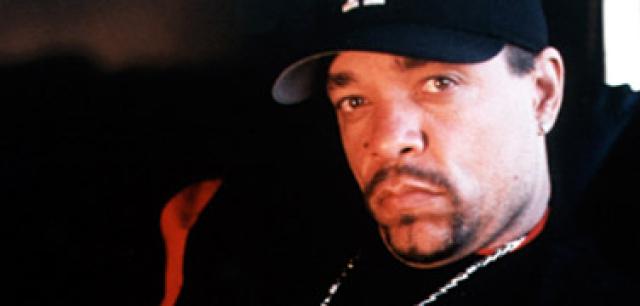
Ice-T
 USA
USA- Childhood and Early Influences
- Gangs, Violence, and Breakdancing
- Emergence as a Rapper
- Rise to Fame and Gangsta Rap
- Social Commentary and Activism
- Metal Expansion and Body Count
- Book and Film Career
- Record Label and Mature Rap
- Legacy and Influence
Childhood and Early Influences
Early Life in New Jersey and CaliforniaTracy Marrow, known as Ice-T, was born on February 16, 1958, in Newark, New Jersey. At a young age, he witnessed the tragic death of his parents in a car accident. The harrowing event left an indelible mark on his childhood. He moved to Los Angeles with his aunt shortly after, enrolling in school in the city.
Gangs, Violence, and Breakdancing
Street Life and Army ExperienceIn the tough neighborhoods of Los Angeles, Ice-T immersed himself in street life, joining gangs and engaging in violent confrontations. He enlisted in the United States Army, where he honed his weapon skills. However, the violent and patriarchal environment exacerbated his rebellious nature.
Emergence as a Rapper
Breakdancing and Early Music CareerAfter his discharge from the Army, Ice-T found solace in breakdancing. He competed in local and national competitions, gaining recognition within the hip-hop scene. Inspired by the works of Iceberg Slim, he adopted the stage name "Ice-T" and released his first single, "The Coldest Rapper," in 1981.
Rise to Fame and Gangsta Rap
Breakthrough with "Rhyme Pays" and "Power"In 1987, Ice-T released his debut album, "Rhyme Pays," which marked a significant milestone in the rise of gangsta rap. Explicit and controversial in its lyrics, the album featured the hit singles "6 n' the Mornin'" and "Colors." Ice-T's unapologetic portrayal of street violence earned him both praise and criticism.
Social Commentary and Activism
Opposition to Censorship and Police BrutalityIce-T became a vocal critic of censorship in music, particularly in relation to his own work. His third album, "Iceberg (Freedom of Speech... Just Watch What You Say)," provoked controversy and sparked a debate about freedom of expression. He also expressed strong views against police brutality and racial injustice.
Metal Expansion and Body Count
Founding Heavy Metal Band and Controversial LyricsIn addition to his rap career, Ice-T pursued his passion for heavy metal. He founded the band Body Count in 1990, releasing two albums that featured the infamous single "Cop Killer." The song's lyrics sparked outrage and led to pressure from law enforcement and politicians.
Book and Film Career
"The Ice Opinion" and Acting SuccessIce-T published his memoir, "The Ice Opinion," in 1994, offering insights into his music, life experiences, and social commentary. He also expanded his acting career, appearing in films such as "New Jack City," "Ricochet," and "Tank Girl."
Record Label and Mature Rap
Coroner Records and Later AlbumsIn 1997, Ice-T founded his own record label, Coroner Records. As he matured as an artist, his music shifted towards more introspective and socially conscious themes. His subsequent albums, including "VI: Return of the Real" and "The Seventh Deadly Sin," showcased his lyrical prowess and nuanced storytelling.
Legacy and Influence
Impact on Hip-Hop and Social IssuesIce-T's contributions to hip-hop are undeniable. He played a pivotal role in the evolution of gangsta rap and expanded the boundaries of musical expression. His outspokenness on social and political issues has raised awareness and sparked important conversations about race, violence, and inequality. As a multi-talented artist and a respected voice in hip-hop culture, Ice-T remains an iconic figure whose impact continues to resonate.