Ioann Kotovich
 Latvia
- A Prominent Ecclesiastical and Literary Figure of Russia
- Early Life and Education
- Editorial and Archaeological Endeavors
- Archaeological Legacy
- Commission and Congress Contributions
- Scholarly Publications and Impact
- Legacy and Burial Site
A Prominent Ecclesiastical and Literary Figure of Russia
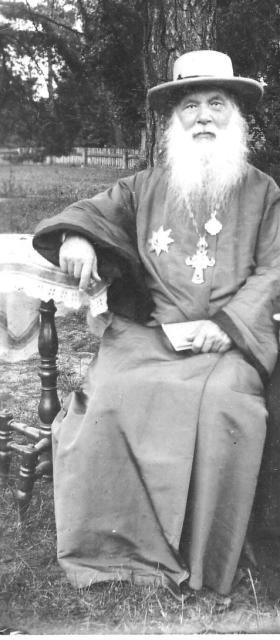
Grigory Kotorich was a renowned Russian ecclesiastical and literary figure who made significant contributions to the fields of religion, history, and literature.
Early Life and Education
Born into a humble family, Kotorich pursued his education at the esteemed St. Petersburg Theological Academy. He graduated in 1867 with the prestigious degree of Master of Arts.
Editorial and Archaeological Endeavors
In 1869, Kotorich took on the editorship of the "Lithuanian Diocesan Gazette," where he penned numerous articles on ecclesiastical matters. His insights and perspectives proved influential in the religious landscape of the time.
Archaeological Legacy
Beyond his theological pursuits, Kotorich was an ardent archaeologist, particularly fascinated by the ancient history of the northwestern region of Russia. His seminal articles on this subject garnered widespread recognition, solidifying his reputation as a leading scholar in the field.
Commission and Congress Contributions
Kotorich's expertise was sought after by the Vilnius Archaeological Commission, a body dedicated to researching and publishing ancient documents. He actively participated in the "Proceedings" of the ninth archaeological congress held by the Vilnius branch.
Scholarly Publications and Impact
Kotorich's writings on both religious and archaeological topics were highly regarded for their depth of knowledge, insightful analysis, and engaging style. His contributions to the intellectual discourse of his time had a profound impact on various fields.
Legacy and Burial Site
In recognition of his multifaceted achievements, Kotorich was laid to rest at the prestigious Euphrosyniai Cemetery in Vilnius, a testament to his enduring legacy as a prominent ecclesiastical and literary figure in Russian history.