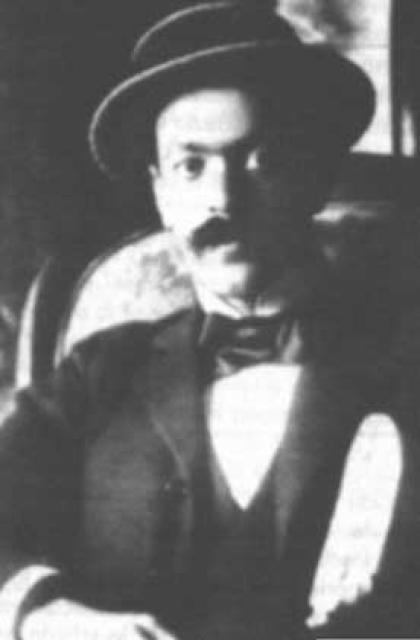
Italo Svevo
 Italy
Italy- Ettore Schmitz, alias Italo Svevo: An Italian Literary Titan
- Literary Debut and Obscurity
- Joyce's Influence and Literary Revival
- Zeno's Conscience: A Literary Breakthrough
- Tragic Demise and Posthumous Recognition
Ettore Schmitz, alias Italo Svevo: An Italian Literary Titan
Early Life and Business PursuitsEttore Schmitz was born on December 19, 1861, in Trieste, a port city in the Austro-Hungarian Empire. Despite showing an early proclivity for literature, at 19, he embarked on a career in business.
Literary Debut and Obscurity
It was not until the age of 30 that Schmitz turned to writing under the pseudonym Italo Svevo. His debut novel, "Una vita" (1892), a naturalistic exploration of a young man's tragic love and struggles, failed to gain recognition. Similarly, his second novel, "Senilita" (1898), which depicted a young man's retreat into fantasy, received minimal attention from critics. Discouraged, Svevo abandoned writing and devoted himself to his business endeavors.
Joyce's Influence and Literary Revival
In 1906, Svevo began taking English lessons from the renowned Irish writer, James Joyce. Joyce recognized Svevo's talent and encouraged him to continue writing. In 1923, Joyce helped facilitate the publication of Svevo's masterpiece, "La coscienza di Zeno" ("Zeno's Conscience") in France.
Zeno's Conscience: A Literary Breakthrough
"Zeno's Conscience" is an introspective and groundbreaking novel that follows the troubled protagonist, Zeno Cosini, as he undergoes psychoanalysis to quit smoking. Through his fragmented memories and distorted recollections, Zeno reveals the complexities of his psyche and the elusive nature of reality. The novel's revolutionary style and nuanced exploration of consciousness earned Svevo widespread critical acclaim.
Tragic Demise and Posthumous Recognition
Despite the success of "Zeno's Conscience," Svevo's fame came too late. On September 13, 1928, he tragically died in a car accident. Many of his works, including short stories, diaries, and an unfinished sequel to "Zeno's Conscience," were published posthumously, further cementing his legacy as one of Italy's most influential literary figures.