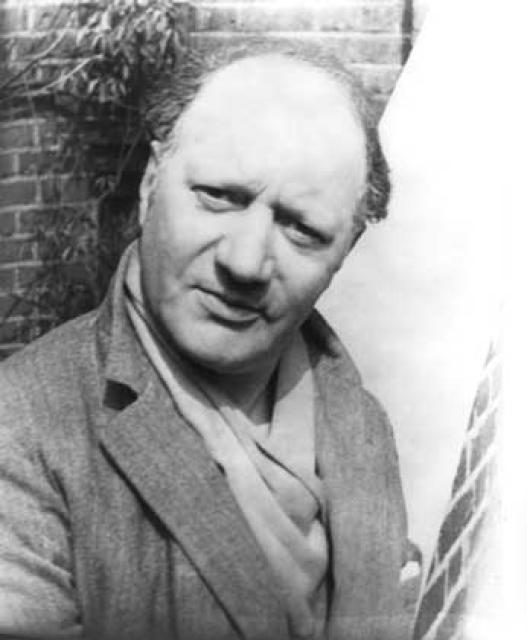
Jacob Epstein
 USA
USA- Jacob Epstein: A Prolific Sculptor and Draftsman
- Move to London and Knighthood
- Distinctive Bronze Portraits
- Monumental Sculptures and Controversies
- Influence of African Art and Written Works
- Legacy
Jacob Epstein: A Prolific Sculptor and Draftsman
Early Life and EducationJacob Epstein, an acclaimed sculptor and draftsman, was born on November 10, 1880, in New York City. While attending classes at the Art Students League in New York, Epstein found moderate success in drawing and illustration. His interest in sculpting sparked, leading him to depart for Paris in 1902. There, he honed his skills at the Académie des Beaux-Arts and Académie Julian.
Move to London and Knighthood
In 1905, Epstein relocated to London, where he resided until his passing. His artistic endeavors earned recognition, culminating in his knighthood in 1954.
Distinctive Bronze Portraits
Epstein's exceptional bronze portraits, depicting notable figures such as Joseph Conrad, Bernard Shaw, Albert Einstein, Paul Robeson, and Emperor Haile Selassie, showcased his ability to capture nuanced interpretations and manipulate sculptural masses. The uneven, impressionistic surfaces of most of his bronzes contributed to the vitality of the portraits and proved particularly effective in his monumental works.
Monumental Sculptures and Controversies
Epstein's commission in 1907 to create 18 large sculptures for the British Medical Association in London marked his entry into the realm of monumental sculpture. Many of his subsequent monumental works drew criticism for their extreme distortions of proportions. Notable examples include the tomb of Oscar Wilde in Paris's Père Lachaise Cemetery (1912), the statue of Rome in the Hudson Memorial in London's Hyde Park (1925), and the colossal alabaster "Adam" (1939).
Influence of African Art and Written Works
Epstein's unusual proportions were heavily influenced by his collection of African sculpture from 1912 onward. His artistic views and theories are extensively documented in his books "The Sculptor Speaks" (1931) and his autobiography "Let There Be Sculpture" (1955).
Legacy
Jacob Epstein's demise came on August 19, 1959, in London. His legacy as an influential sculptor continues to inspire generations of artists.


