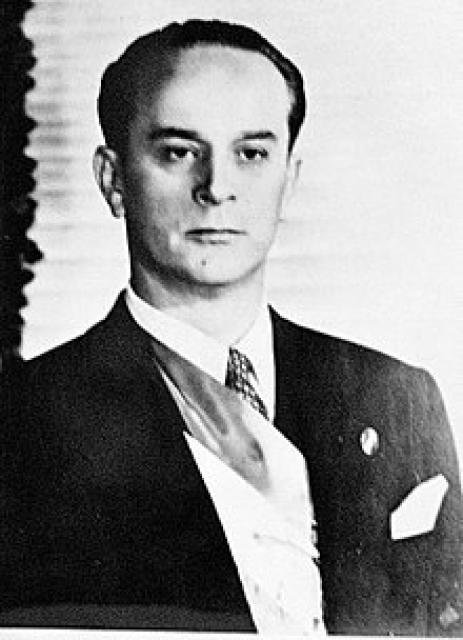
Jacobo Arbenz Guzman
 Guatemala
- Jacobo Árbenz: President and Revolutionary of Guatemala
- Political Activism and the 1944 Revolt
- Presidency: The Guatemalan Revolution
- United States Intervention and the CIA's PBSUCCESS Operation
- Overthrow and Exile
- Return to Mexico and Mysterious Death
- Legacy
Jacobo Árbenz: President and Revolutionary of Guatemala
Early Life and Military ServiceJacobo Árbenz Guzmán was born into a Swiss immigrant family in 1913. His father's suicide during his childhood left a lasting impact on him. Árbenz joined the Guatemalan army and served until 1935, when he resigned and became a teacher of science and history.
Political Activism and the 1944 Revolt
Árbenz's second wife, María Vilanova, played a significant role in encouraging him to challenge the ruling dictator, Jorge Ubico. In 1944, Ubico was overthrown in a coup, and Árbenz became Minister of Defense under the new president, Juan José Arévalo.
Presidency: The Guatemalan Revolution
In 1950, Árbenz was democratically elected President of Guatemala. His progressive reforms, known as the "Guatemalan Revolution," included land redistribution, the nationalization of American-owned company United Fruit Company, and the legalization of the Guatemalan Party of Labor.
United States Intervention and the CIA's PBSUCCESS Operation
The United States perceived Árbenz as pro-Soviet and feared the spread of communism in Central America. United Fruit Company, with the support of the Dulles brothers (John Foster and Allen), lobbied against Árbenz's reforms. In 1954, the Central Intelligence Agency (CIA) launched Operation PBSUCCESS, which involved a mercenary invasion and a propaganda campaign against Árbenz.
Overthrow and Exile
Facing overwhelming pressure, Árbenz resigned on June 27, 1954, and handed over power to military commander Enrique Díaz. Díaz retreated, and Colonel Carlos Castillo Armas took over as President. Árbenz initially sought refuge in the Mexican Embassy before renouncing his Guatemalan citizenship and traveling to Europe and then Cuba.
Return to Mexico and Mysterious Death
In 1965, Árbenz returned to Mexico for his daughter's funeral and remained there until his death in 1971. He was found dead in a bathtub, and the circumstances of his demise remain a mystery.
Legacy
Jacobo Árbenz Guzmán is remembered as a progressive reformer who challenged both domestic oligarchy and foreign domination. His reforms remain controversial, but his legacy as a symbol of Guatemalan nationalism and the dangers of United States intervention continues to inspire and divide.



