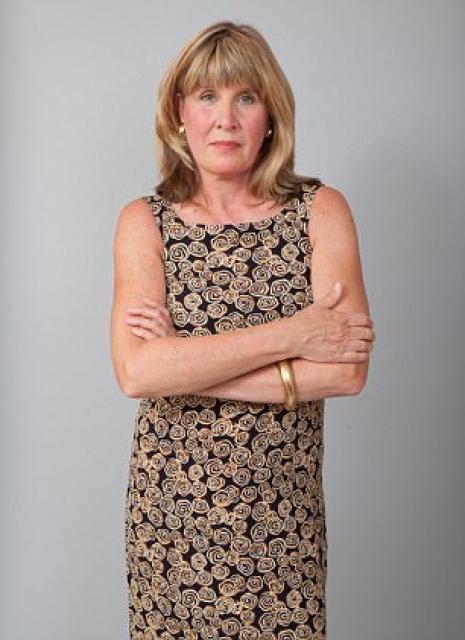
Jacqueline and Dawn Dacey
 Great Britain
- British Sisters Paid 'Holiday Price' for Idyllic English Summer
- Melanoma's Cruel Twist
- Similar Fate
- British Sun Exposure Risks
- Melanoma Risk Not Just for the Elderly
- Beating the Odds
British Sisters Paid 'Holiday Price' for Idyllic English Summer
In a shocking reminder that you don't have to leave your home shores to get skin cancer, two sisters from Sussex paid the ultimate price for carefree summer days spent outdoors.
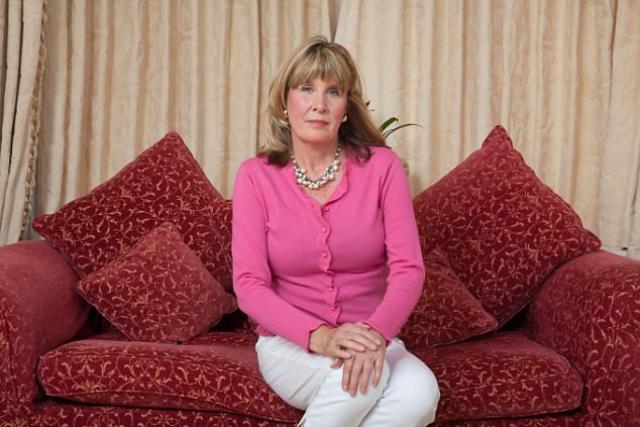
Jacqueline and Dawn Dailey spent their childhood playing in the fields, swimming in their pool, and horse riding – all idyllic pursuits. However, there was one thing they hadn't factored in: protecting their fair skin from the British sun. "We never wore any sunscreen," Jacqueline admits. "If we got burnt, we just put a bit of aftersun on and went straight back out."
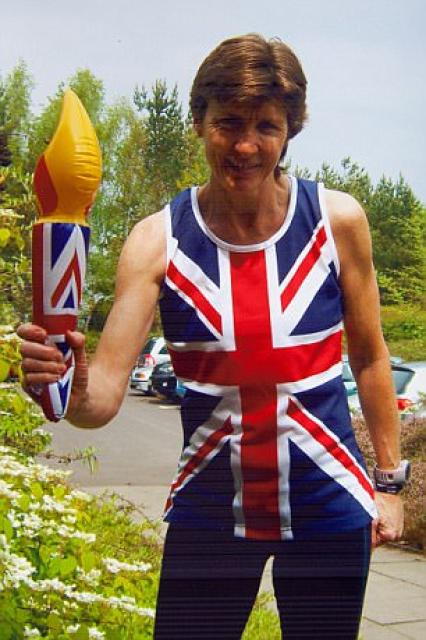
This was back in the 1960s and '70s, when Jacqueline and Dawn's family, like many others, didn't realize the risks associated with sun exposure. The sisters paid a terrible price.

Melanoma's Cruel Twist
In 2008, Dawn, a mother of three who was then 47, had a large, dark brown mole – the size of a pencil eraser – removed from her back. "The tests came back and it was malignant melanoma, the most serious form of skin cancer," says Jacqueline, now 57. "Dawn had done a few triathlons, so she was quite fit and healthy, but she hadn't done much sunbathing, so she just put it down to one of those things."
But in November 2013, Dawn became seriously unwell. She started complaining of severe headaches and dizziness. A brain scan and MRI revealed the devastating truth. The cancer had returned. She had two tumors in her brain and another in her kidney. Within a couple of weeks, Jacqueline's sister was so weak she could no longer get out of bed. Doctors gave her just weeks to live.
Similar Fate
In May 2014, Jacqueline underwent a mole check herself, hoping to put her mind at rest. She never expected to be told that she too had malignant melanoma, this time on her breast. The growth was successfully removed, but doctors were unable to find any immediate genetic link between the sisters' diagnoses. However, when the pair revealed their "total lack of sun protection," everything became clear.
Malignant melanoma affects melanocytes – the pigment-producing cells in the skin. It causes these cells to multiply and spread through the skin. According to the latest figures from Cancer Research UK, skin cancer kills more than 2,400 people in the UK each year.
British Sun Exposure Risks
One of the main reasons for the rise in cases is the failure to acknowledge the dangers of the UK sun. Consultant dermatologist Dr Justine Hextall laments the fact that malignant melanoma is still seen by many as a disease of sun worshippers on foreign holidays.
"Some people think the sun isn't strong enough in the UK to cause skin cancer," says Hextall. "But it is. I have patients with malignant melanoma who have never been abroad."
"The risk is particularly high around the coast, where people are walking around and the water reflects the sun's rays."
"Despite this, research shows that the majority of us still don't bother to wear sunscreen when the sun shines in Britain."
Melanoma Risk Not Just for the Elderly
Most cases are in the over-65s, but melanoma can affect people aged 15–35. "It's rare in children, but I've seen a melanoma in a 16-year-old and a 19-year-old," says Hextall.
Some people, such as redheads with fair skin, are more at risk than those with darker or olive skin. Although scientists still don't know all the genes that play a role in making someone more susceptible to melanoma, last year a study published in Nature Communications revealed that having just one copy of the "red hair" gene MC1R can increase your skin cancer risk – even if you don't have red hair. There's no way of knowing if you carry this gene.
"Darker-skinned people have a natural SPF," explains Hextall. "You are less likely to get malignant melanoma, but don't be complacent. Bob Marley died of skin cancer."
Beating the Odds
Defying doctors' predictions, Dawn Dailey lived for 22 months – not weeks. She died in 2015 aged 54, surrounded by her husband, Johnnie; her children, Kerri, 26, Esme, 24, and Guy, 18; and her dog, Dizzy.
Jacqueline is still haunted by the memory of that time. "She was so cheerful and kind to the end," she says of her sister.
For Dawn and Jacqueline's elderly parents, losing one daughter and knowing that another has suffered with the same deadly disease has been an unimaginable ordeal.
The surviving sister is grateful that her melanoma was caught before it was too late. She now has check-ups every three months.
Jacqueline also worries about her own adult son, a pilot, although he is careful about sun protection.
"The horrible truth is that if it hadn't happened to Dawn, I would never have thought about getting my moles checked," she admits. "I could easily have been dead myself by now.
"I urge everyone to avoid sunbeds, wear sunscreen, and protect your children – the alternative is just too horrific."
Dr Hextall adds: "I would like to see all cases picked up early, when they are curable. We are not there yet – and men are particularly bad at seeking help."
Indeed, men account for 58 percent of malignant melanoma deaths, even though the condition affects slightly more women.