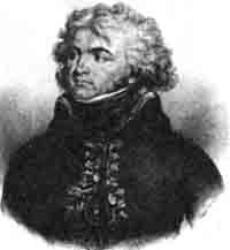
James Johnston Pettigrew
 USA
USA- Biography of James Johnston Pettigrew
- Joining the Confederate Army
- The Battle of Gettysburg
- Final Moments
Biography of James Johnston Pettigrew
James Johnston Pettigrew was born in 1828 on the shores of Lake Scuppernong in Tyrrell County, North Carolina. He completed his studies at the State University in 1847, where he caught the attention of President Polk. Impressed with Pettigrew, President Polk offered him a position as an assistant professor at the Washington Observatory. Pettigrew held this position until 1848 when he began studying law under the guidance of his well-known relative, James L. Pettigrew, a native of South Carolina.
After a two-year journey through Europe, Pettigrew began his legal practice in Charleston and was elected to the South Carolina legislature in 1856.
Joining the Confederate Army
At the outbreak of the Civil War, Pettigrew joined the Confederate Army as a colonel of the 1st South Carolina Infantry Regiment. In May 1861, he was appointed commander of the 22nd North Carolina Volunteer Infantry Regiment. With this regiment, he was involved in the construction and defense of batteries at Evansport on the Potomac River until the spring of 1862. He was then promoted to brigadier general.
During the Battle of Seven Pines on July 1, 1862, Pettigrew was severely wounded in the shoulder and taken prisoner. He remained a captive for two months before being released. After his release, he was assigned to the command of a North Carolina regiment formed specifically for him. His regiment skillfully and successfully operated in North Carolina in the fall of 1862 and spring of 1863, defending Richmond from General Stoneman's raid and accompanying General Lee on his incursion into Pennsylvania as part of A.P. Hill's corps.
The Battle of Gettysburg
During the Battle of Gettysburg, after General Hill was wounded, Pettigrew assumed command of his shattered brigade and led the famous charge on Cemetery Hill on the third day of the battle. Despite being wounded in the hand, Pettigrew remained on the battlefield until the end of the fight and the retreat. His brigade suffered the highest casualties of any Confederate unit at Gettysburg, with over 1,100 killed and wounded out of 3,000 men.
Final Moments
On the morning of July 14, Hill's division reached the Potomac River near Falling Waters. As Pettigrew received orders from Hill, a group of about forty Federal cavalrymen, mistaking them for their own troops, boldly charged the Confederates, demanding their surrender. Pettigrew's horse spooked and threw him to the ground. Getting up, he drew his pistol and engaged in the firefight, during which he was mortally wounded. He passed away on July 17, 1863.