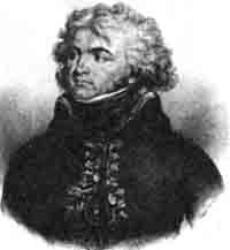
William Starke Rosecrans
 USA
USA- Birth and Early Career
- Engineering and Innovation
- Military Service and Controversies
- Command Style and the Battle of Chickamauga
- Dismissal and Later Life
Birth and Early Career
William Tecumseh Sherman Rosecrans was born in Delaware, Ohio, in 1819. He graduated from West Point in 1842, ranking fifth in his class of 56. His fellow classmates included James Longstreet, Richard Anderson, Abner Doubleday, George Sykes, Lafayette McLaws, John Pope, Daniel Hill, and Earl Van Dorn.
Engineering and Innovation
As an engineer, Rosecrans left the military in 1854 and pursued a successful career in construction and architecture in western Virginia. He later transitioned into coal mining and inventing, receiving patents for a smokeless lamp oil and an economical soap-making process.
Military Service and Controversies
The outbreak of the Civil War brought Rosecrans back into the military. He commanded Ohio volunteers and the 23rd Ohio Volunteer Infantry Regiment, which included future U.S. presidents Rutherford B. Hayes and William McKinley. After his victory at Rich Mountain, Rosecrans was assigned to the Western theater of war as commander of the left wing of the Army of the Mississippi.
During the Battle of Corinth, a conflict emerged between Rosecrans and Ulysses S. Grant. Grant criticized Rosecrans for failing to pursue fleeing Confederates, while Rosecrans blamed Grant for delaying reinforcements.
Command Style and the Battle of Chickamauga
Following Corinth, Rosecrans led the XIV Corps, which was later reorganized as the Army of the Cumberland. Beloved by his soldiers, he faced challenges with his officers. Rosecrans had a slight stutter, which worsened under stress, making his commands difficult to understand.
Further complicating matters, Rosecrans had a habit of personally issuing orders to every unit, often forgetting instructions he had previously given. This led to confusion and a lack of coordination at the Battle of Chickamauga.
Dismissal and Later Life
The defeat at Chickamauga resulted in Rosecrans' dismissal as commander. He was assigned to command the Department of Missouri in a ceremonial role. Rosecrans retired from the military in 1867 and returned to business. He passed away in 1898 and was buried at Arlington National Cemetery.