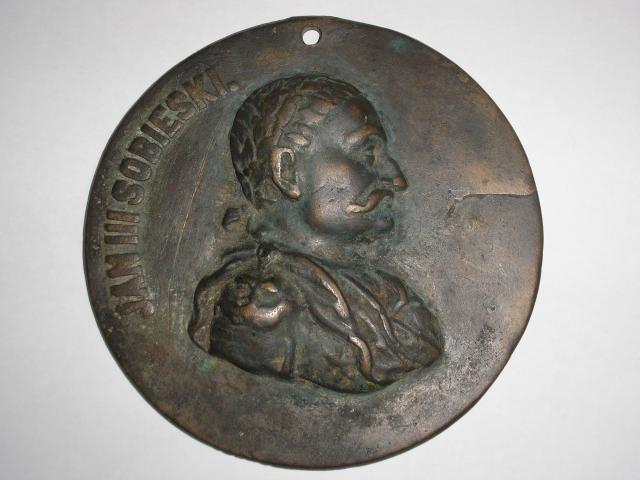
Jan III Sobieski
 Poland
- Early Years and Military Achievements
- Ascent to the Throne and the Ottoman Wars
- The Great Turkish War
- The Battle of Vienna and Aftermath
- Later Reign and Legacy
Early Years and Military Achievements
Jan Sobieski emerged as a prominent Polish military leader at a young age. Renowned for his combat experience, bravery, and determination, he aspired for a strong, independent, and centralized Poland. This vision earned him wide respect among the Polish populace.
Ascent to the Throne and the Ottoman Wars
In 1674, Jan Sobieski was elected King of Poland as Jan III Sobieski. His reign was marked by a series of wars with the Ottoman Empire. In 1673, he led Polish forces to victory at the Second Battle of Chocim, breaking the Ottoman siege of the fortress.
In 1675, the Ottomans invaded Poland again, but Sobieski defeated them at the Battle of Lviv and liberated most of the Polish territories. Internal strife, however, forced a ceasefire.
The Great Turkish War
In 1676, the Ottoman Empire launched a massive invasion of Poland. Sobieski's army again emerged victorious, notably at the Battle of Żurawno. In 1683, the Ottomans besieged Vienna. Sobieski responded by forming an alliance with the Holy Roman Empire and leading a relief force to the besieged city.
The Battle of Vienna and Aftermath
On September 12, 1683, Sobieski led the Battle of Vienna, where his combined forces of 76,000 defeated a massive Ottoman army of 158,000. This victory marked a turning point in the Great Turkish War and cemented Sobieski's reputation as a legendary general.
Later Reign and Legacy
After returning to Poland, Sobieski pursued a policy of territorial expansion and aimed to reform the Polish state. However, his efforts faced opposition from Polish nobles and Western neighbors. Despite his military successes, Sobieski's reign was marred by internal divisions and external threats. He died in 1696, leaving behind a legacy of military prowess and unfulfilled dreams of national renewal.


